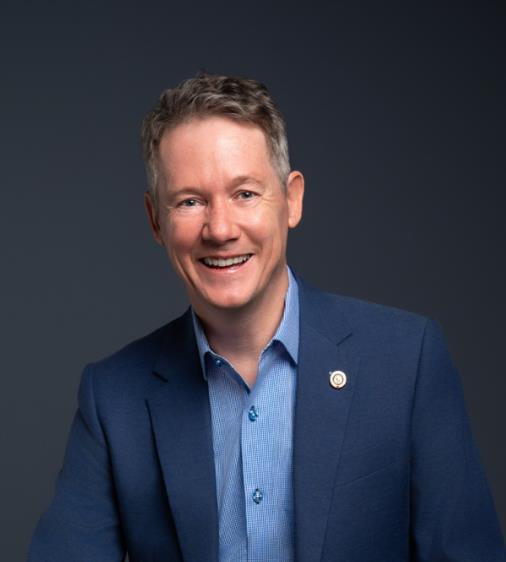
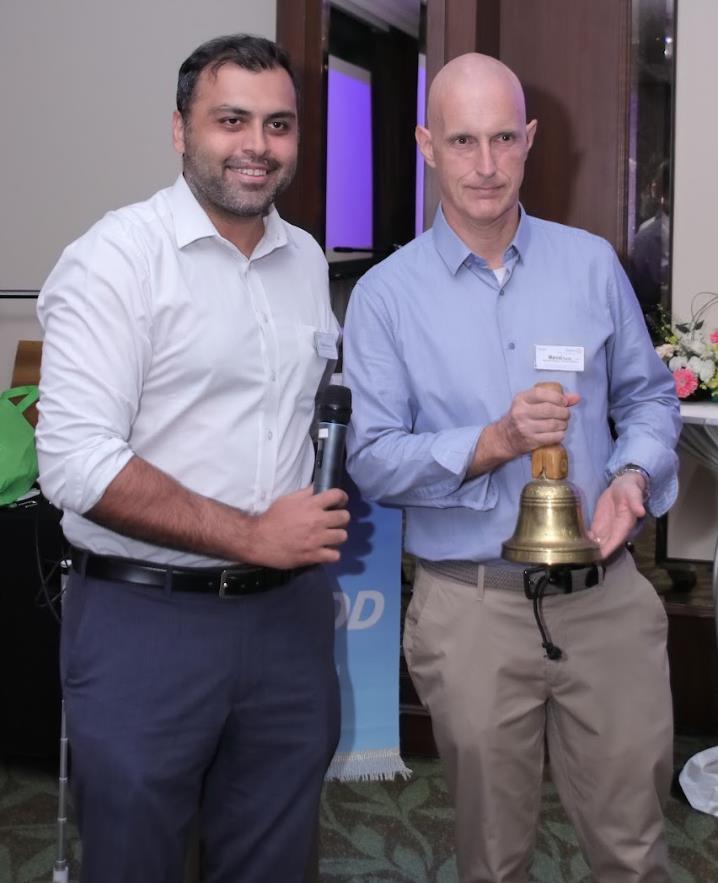
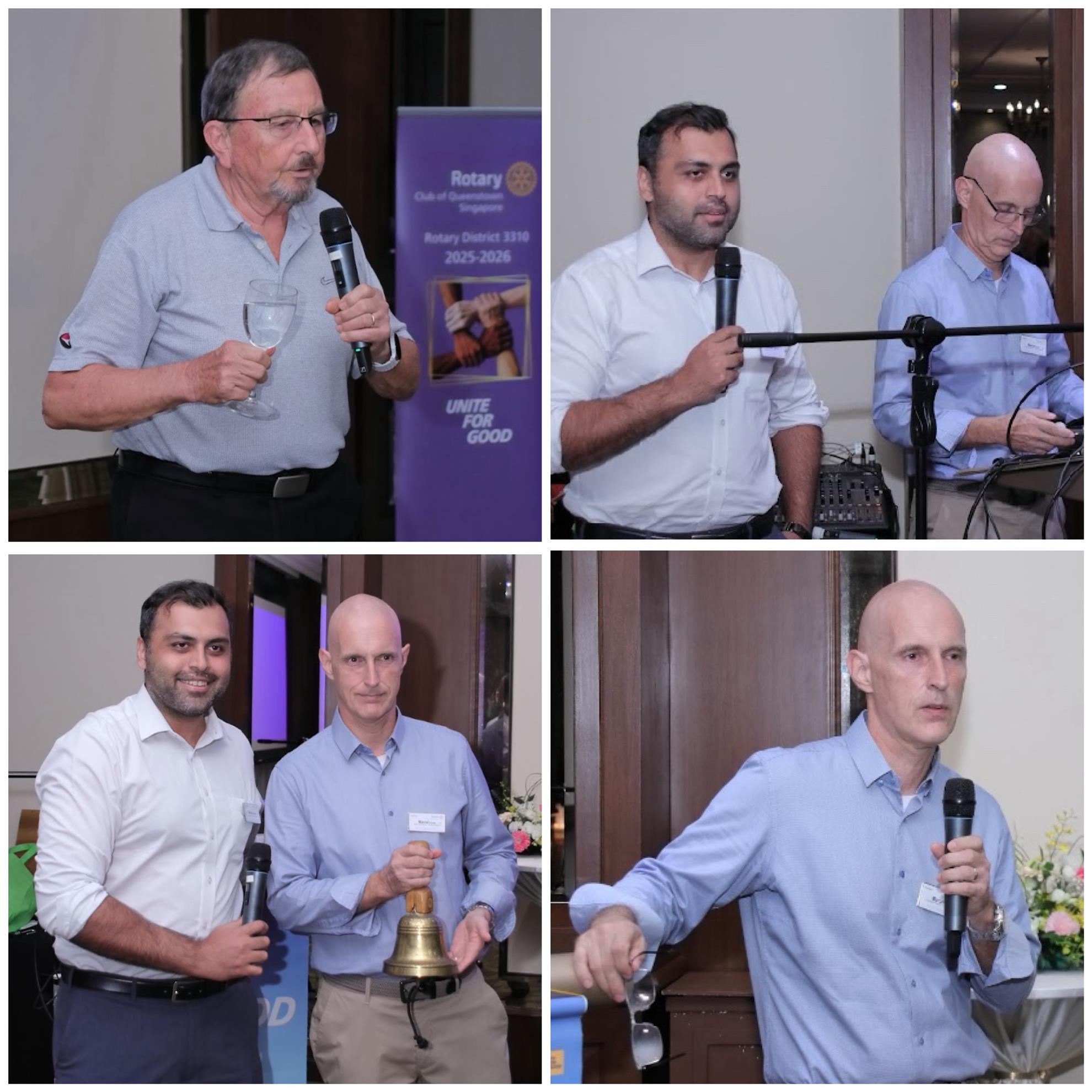
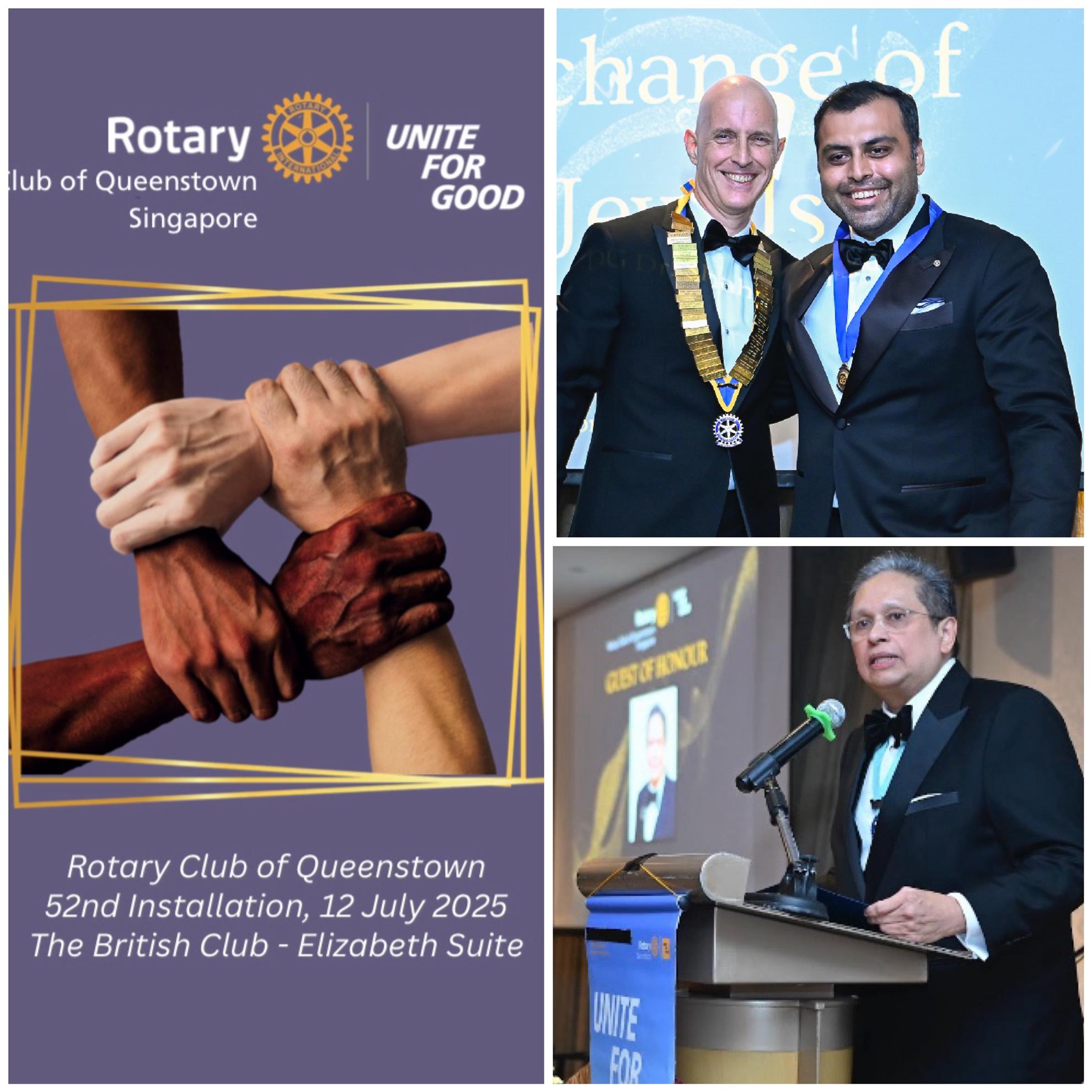
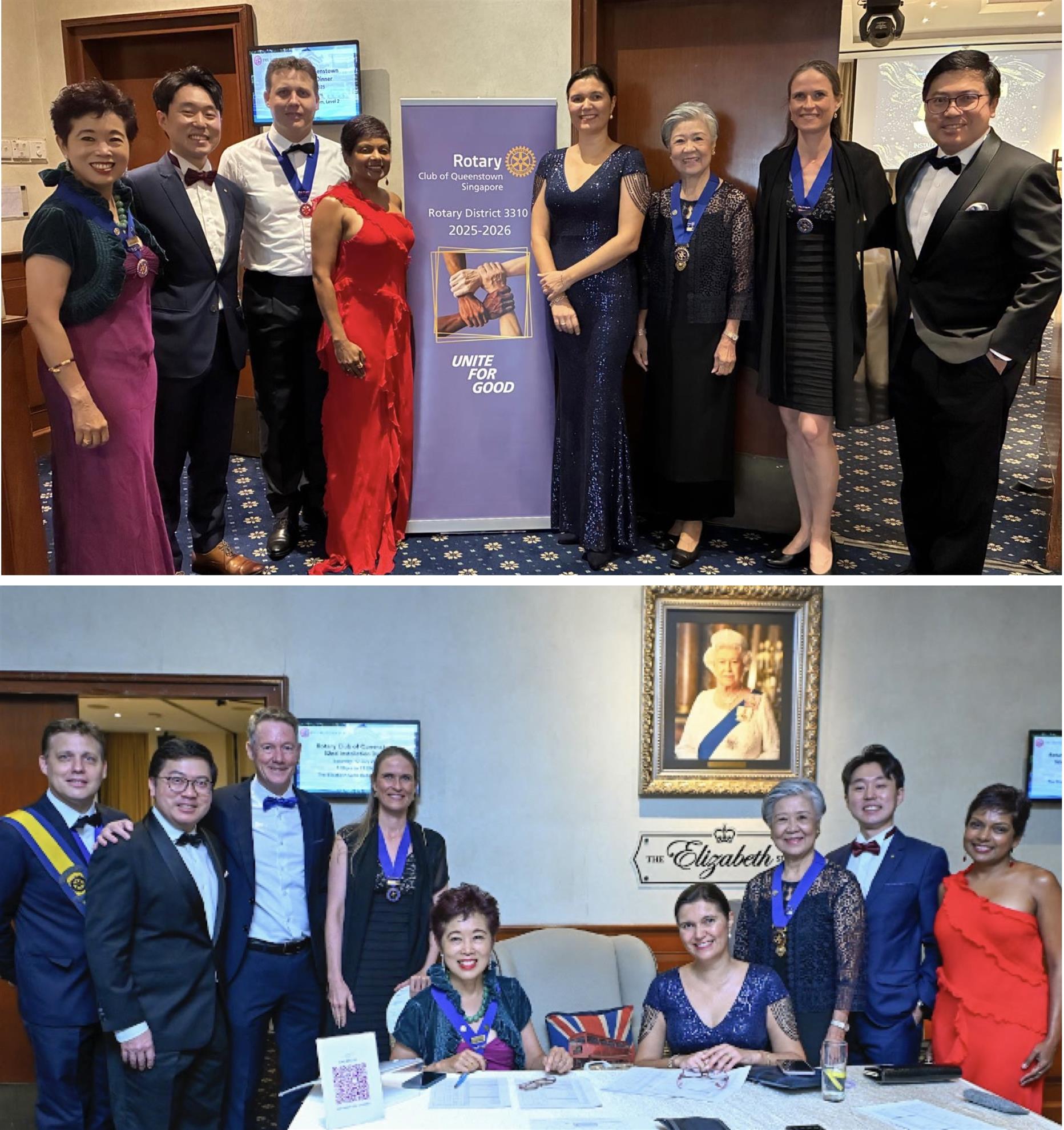
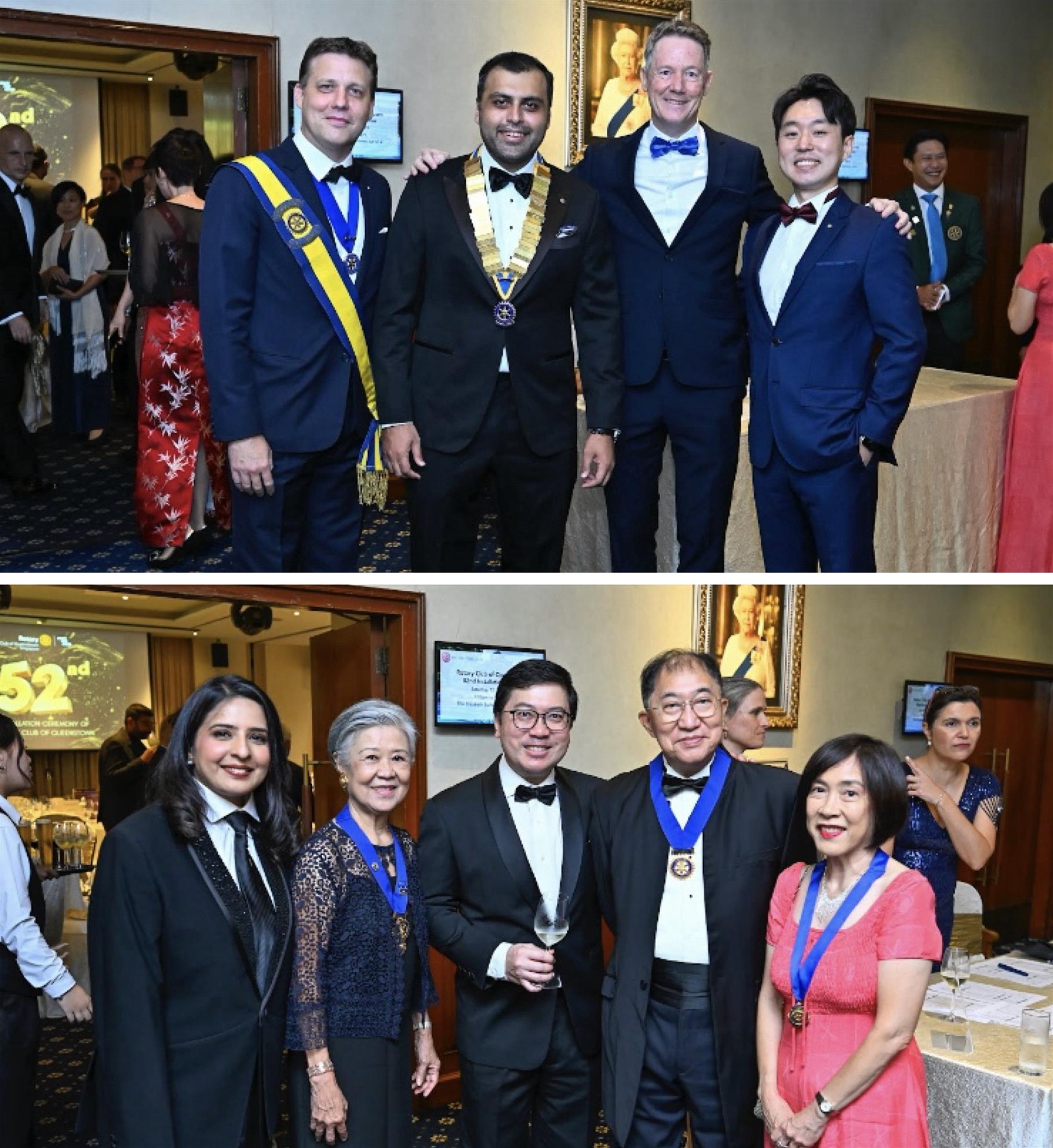
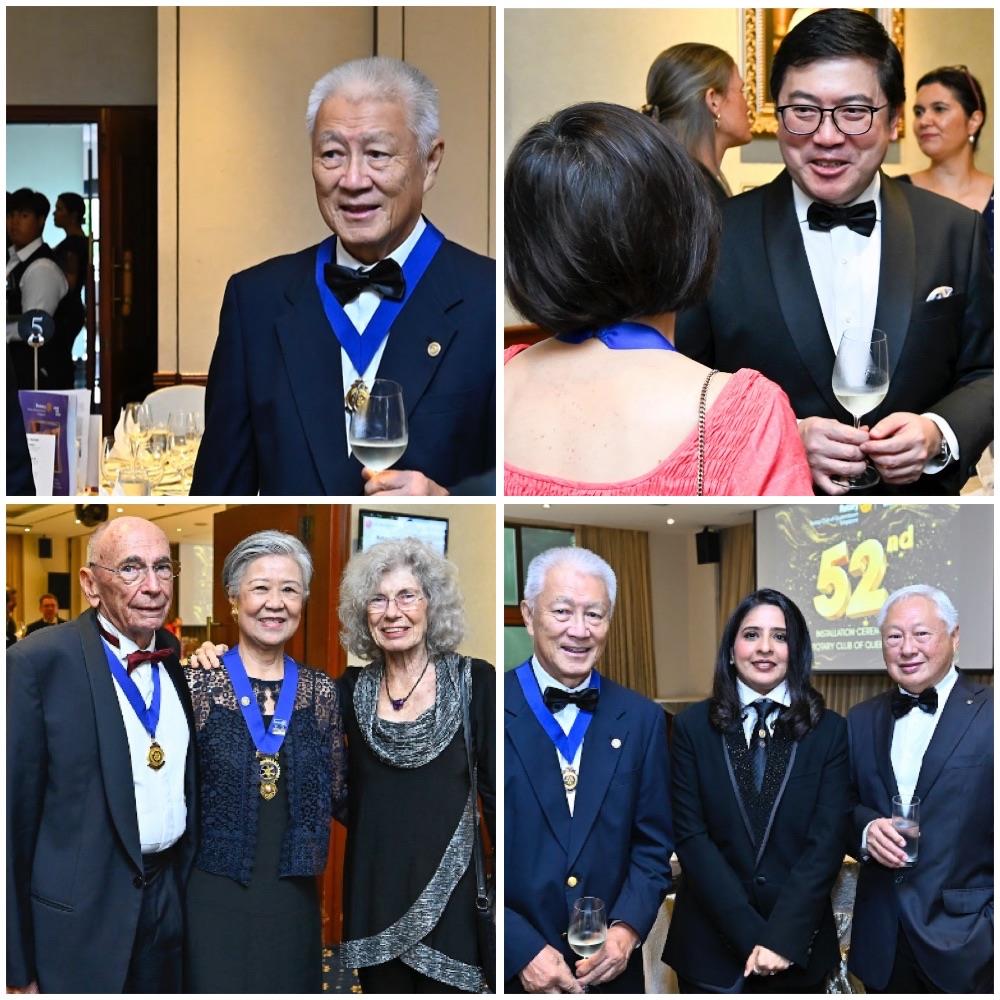
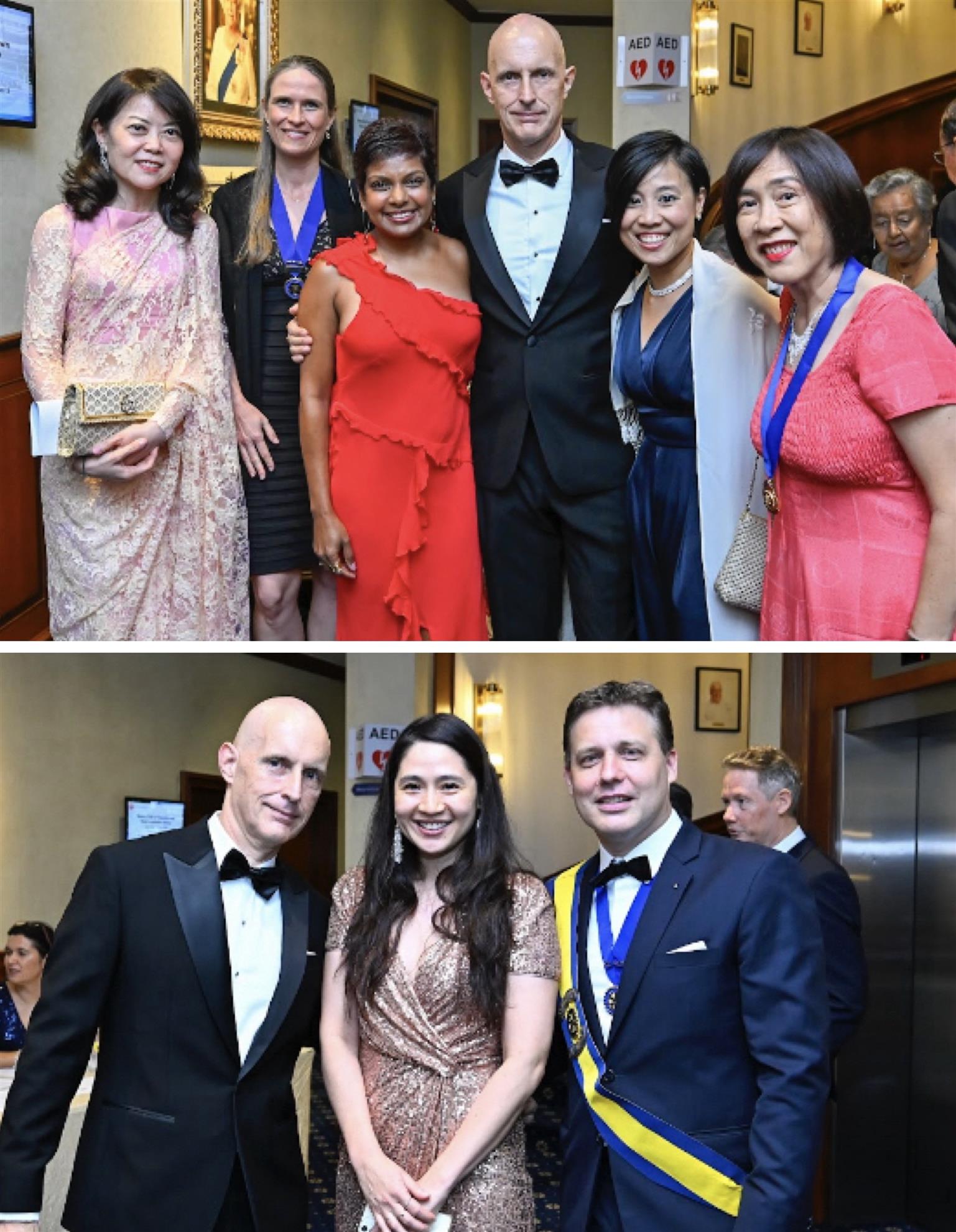
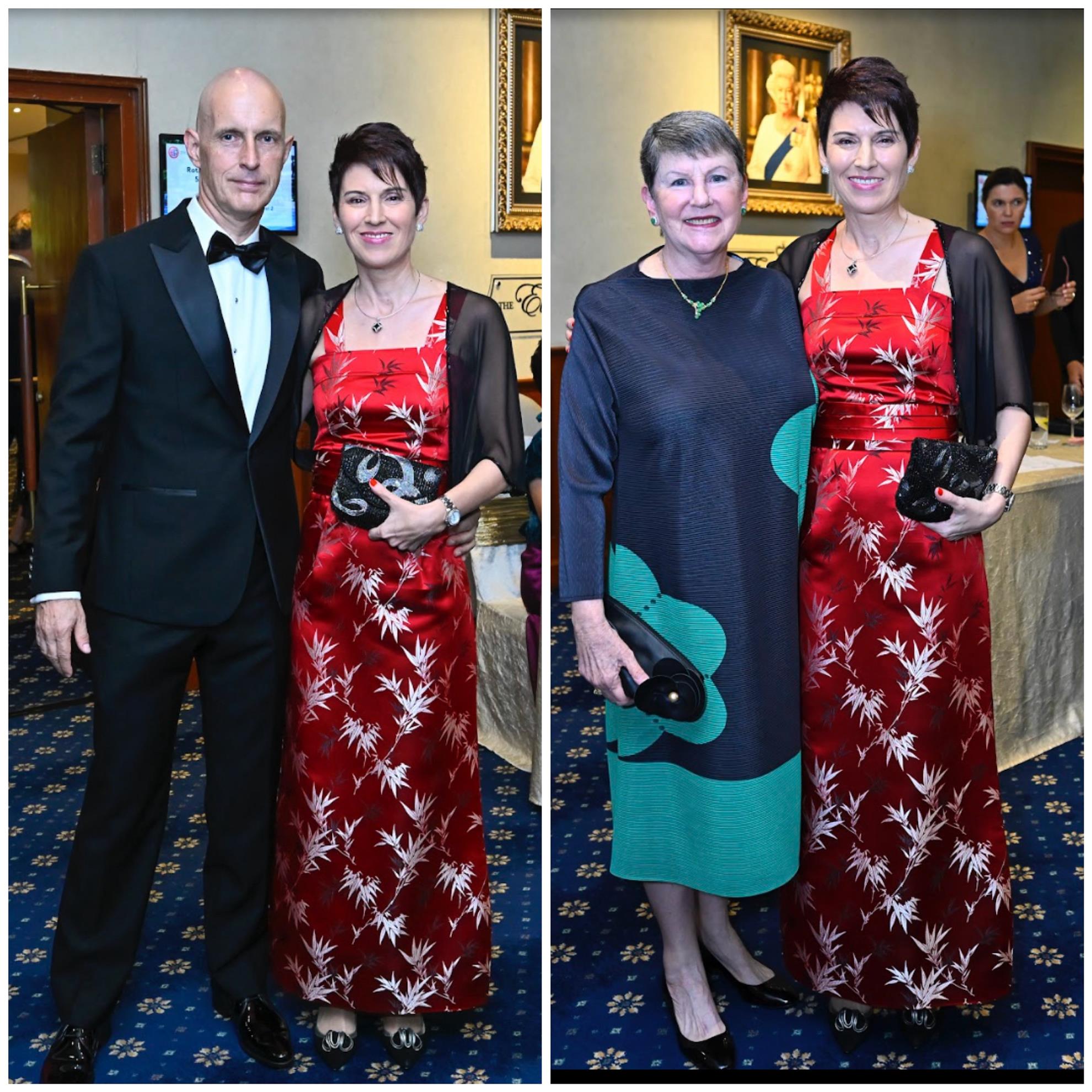
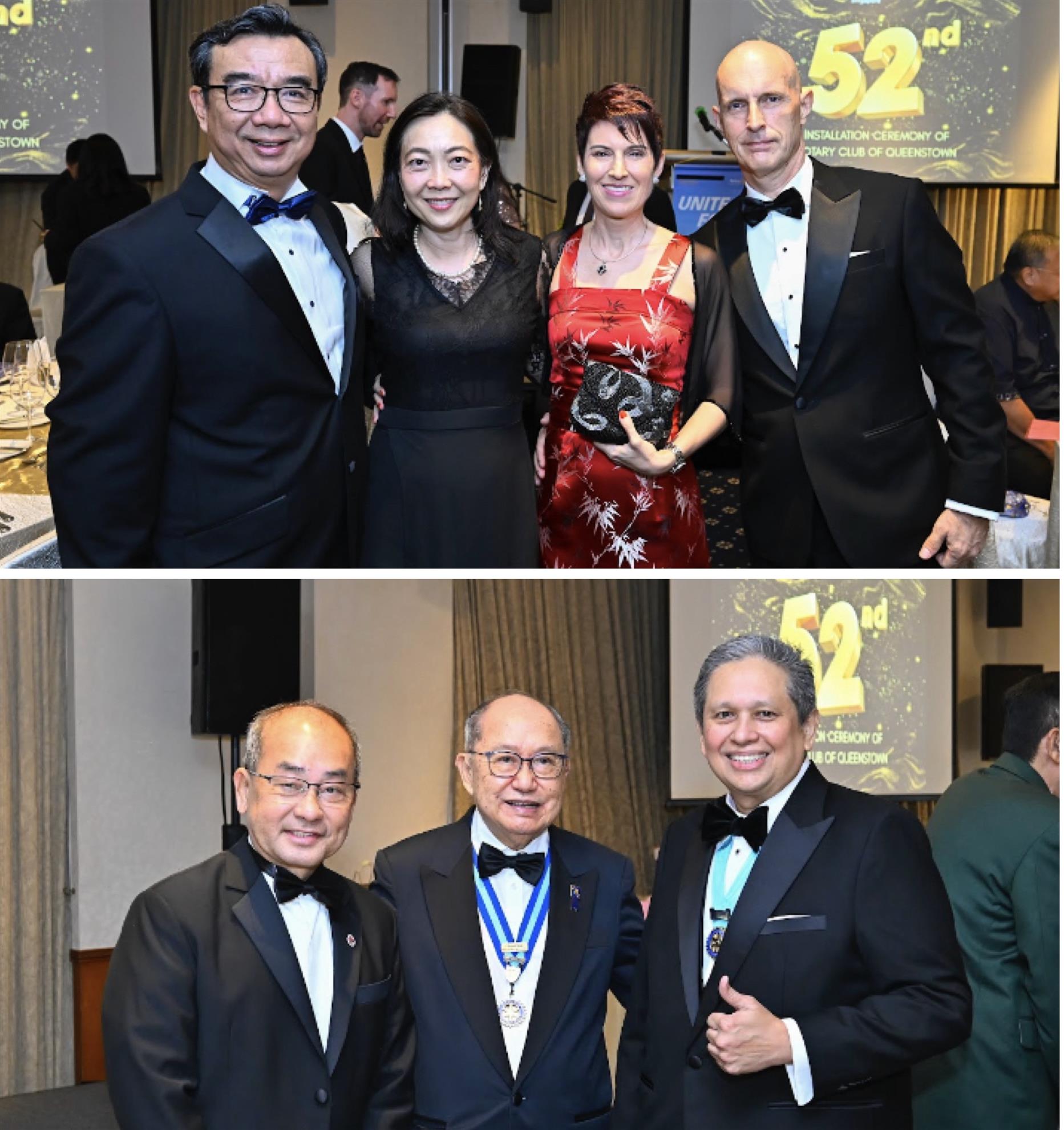
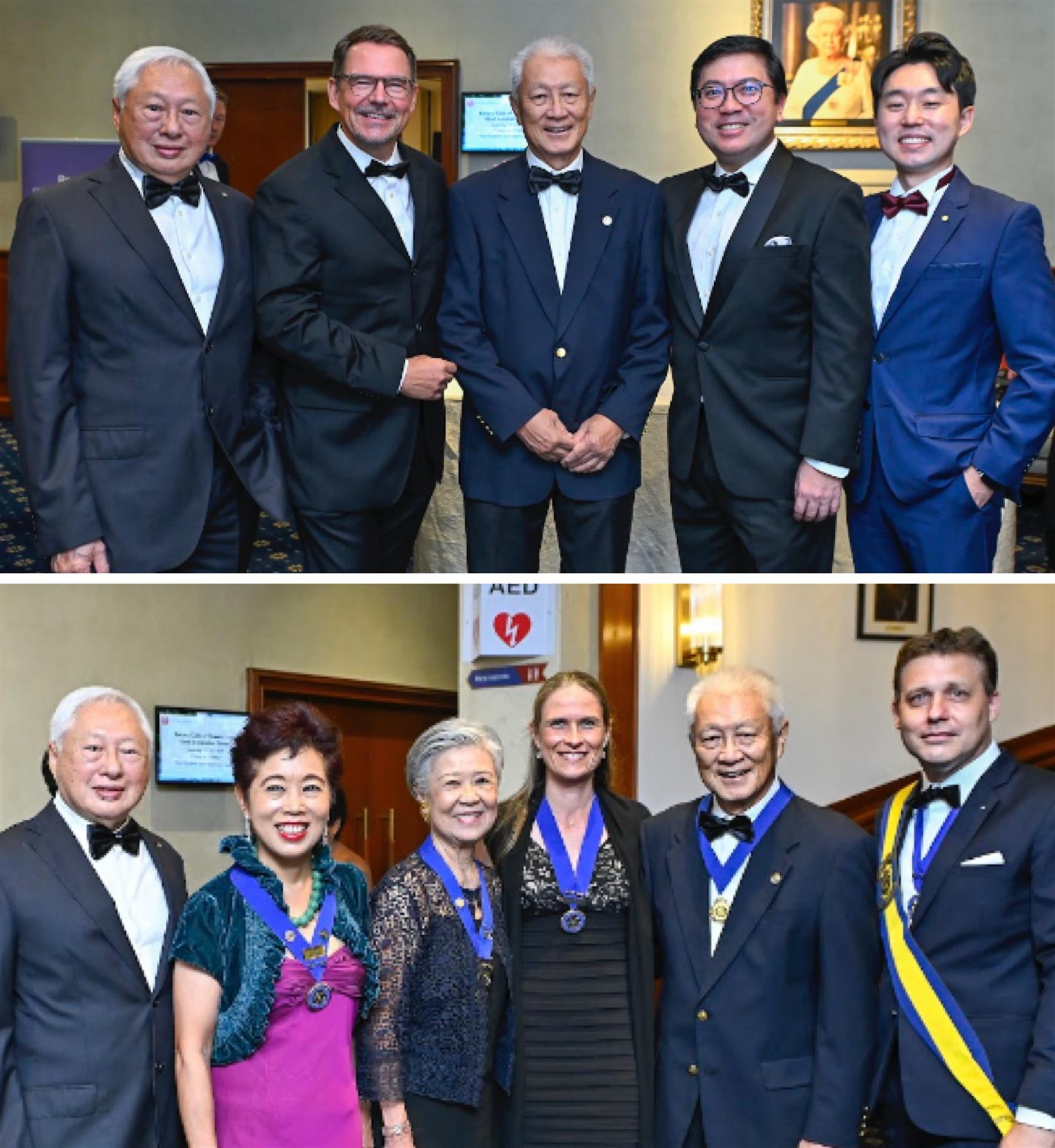
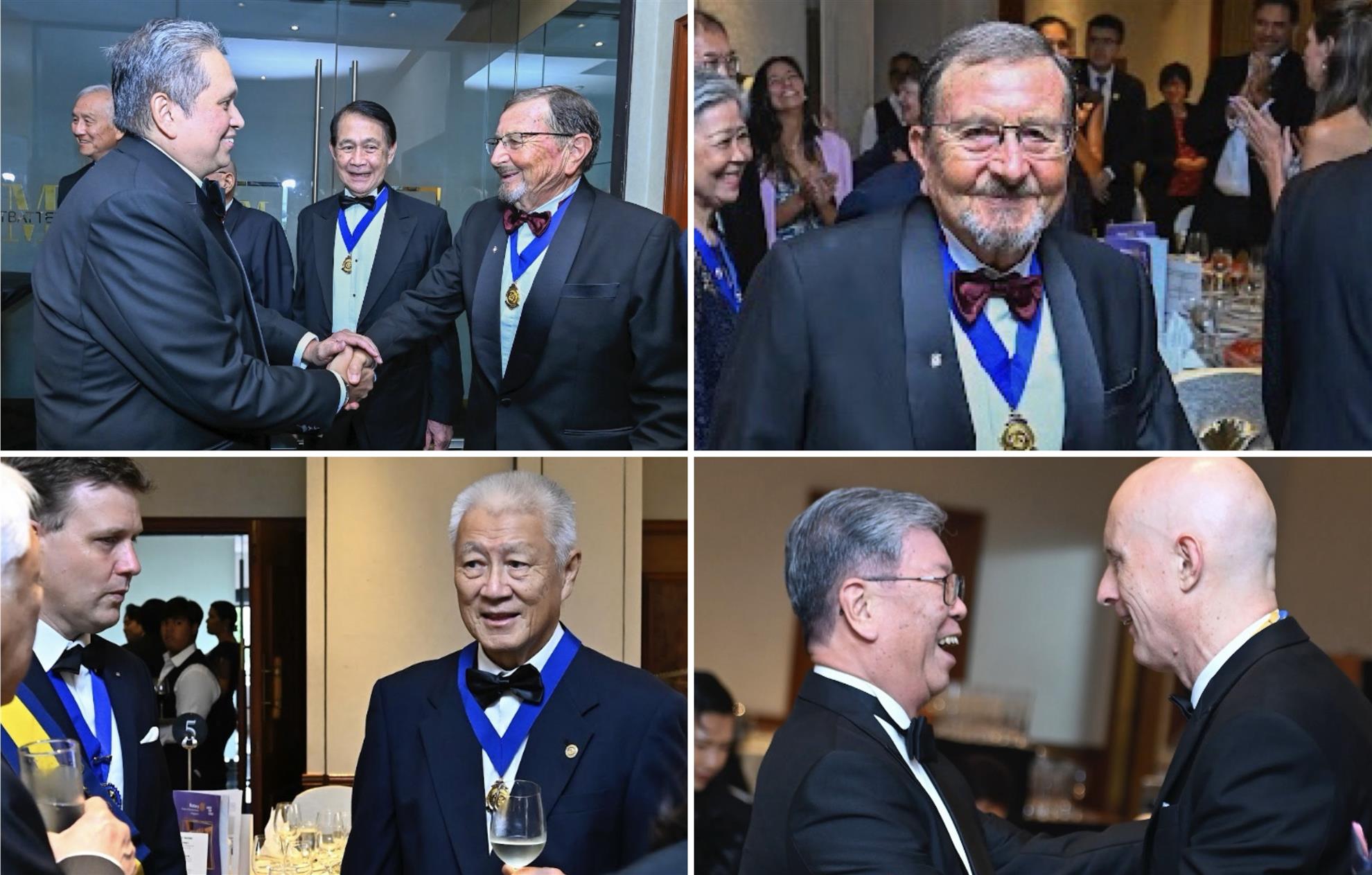
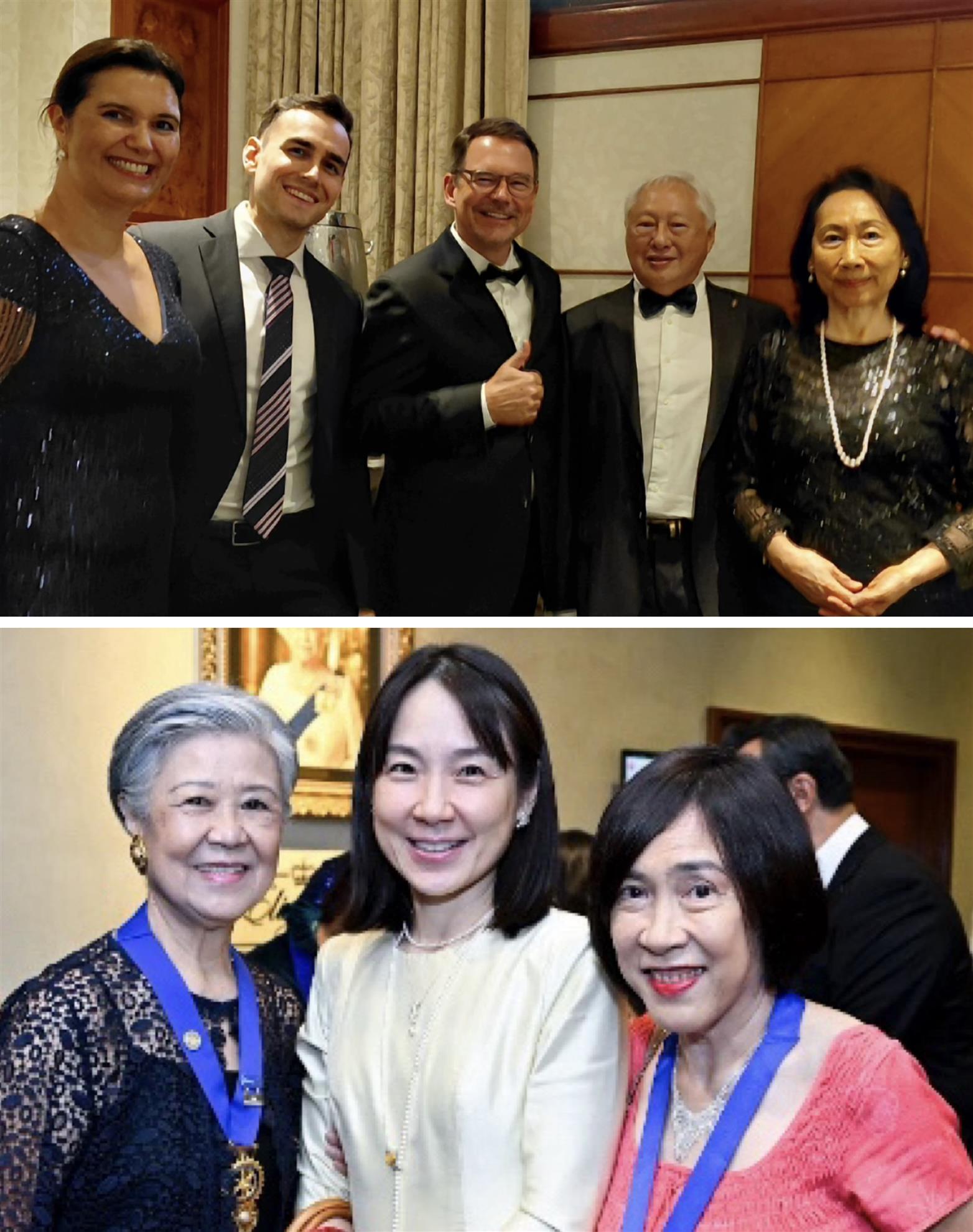
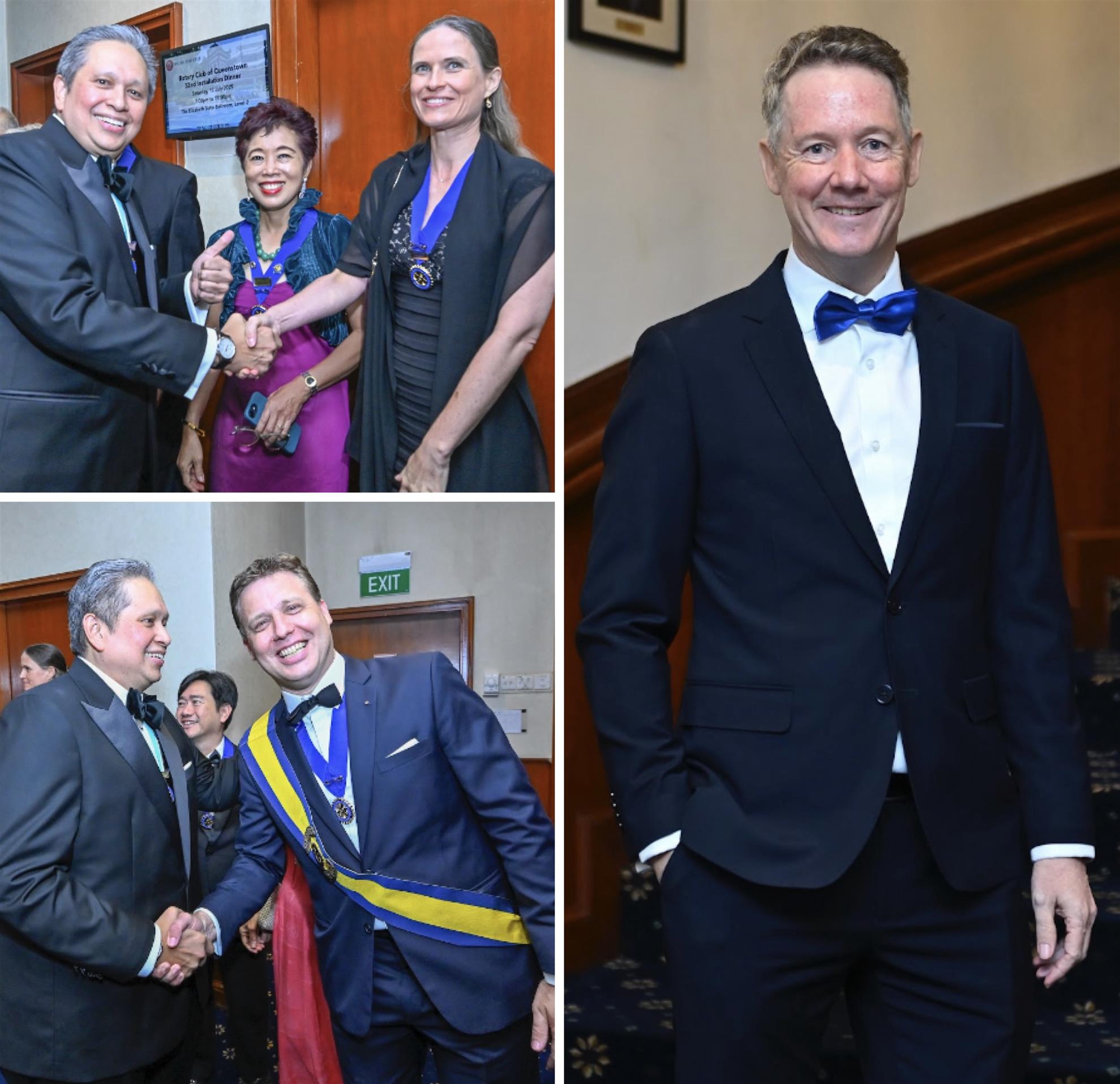
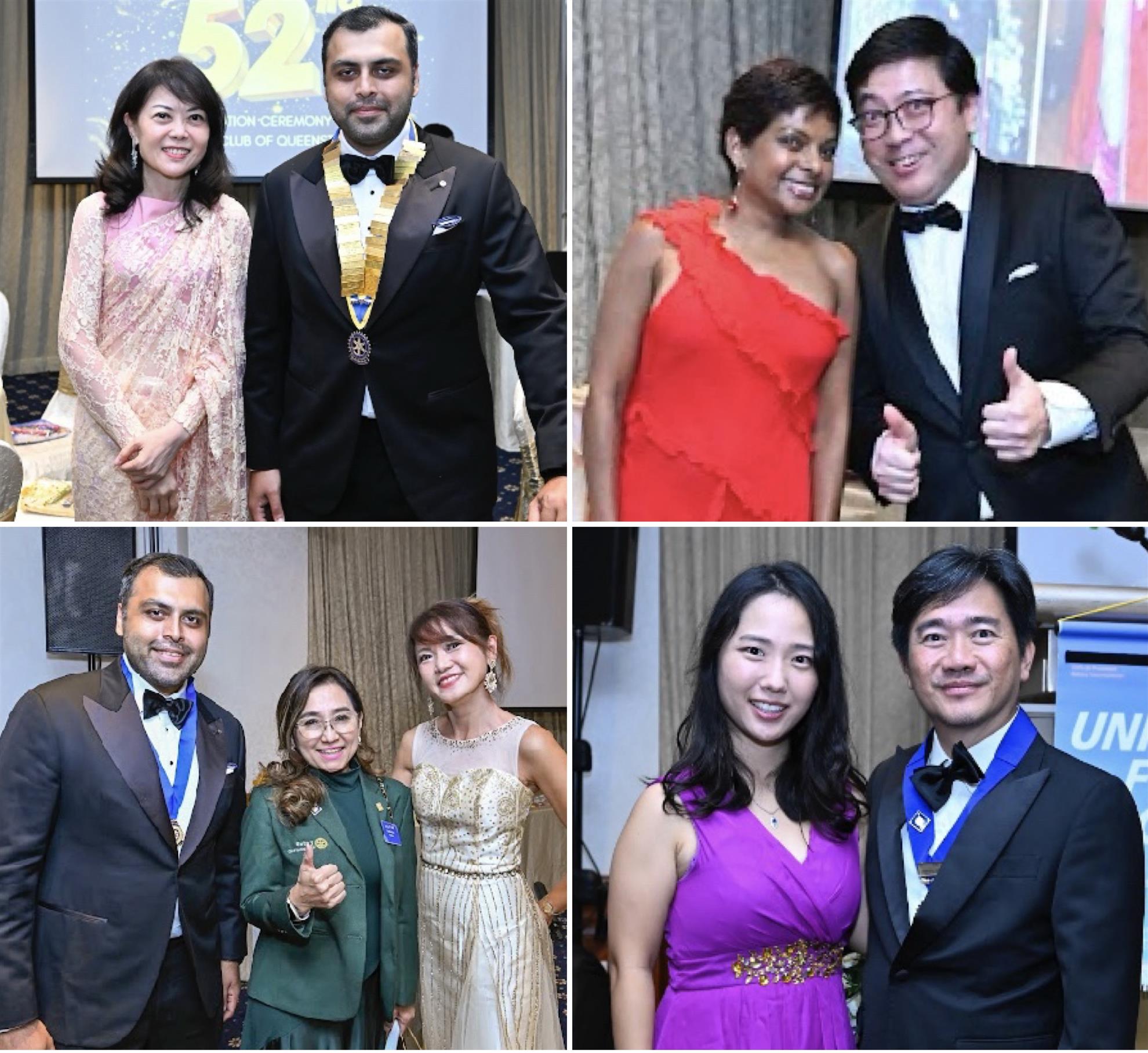
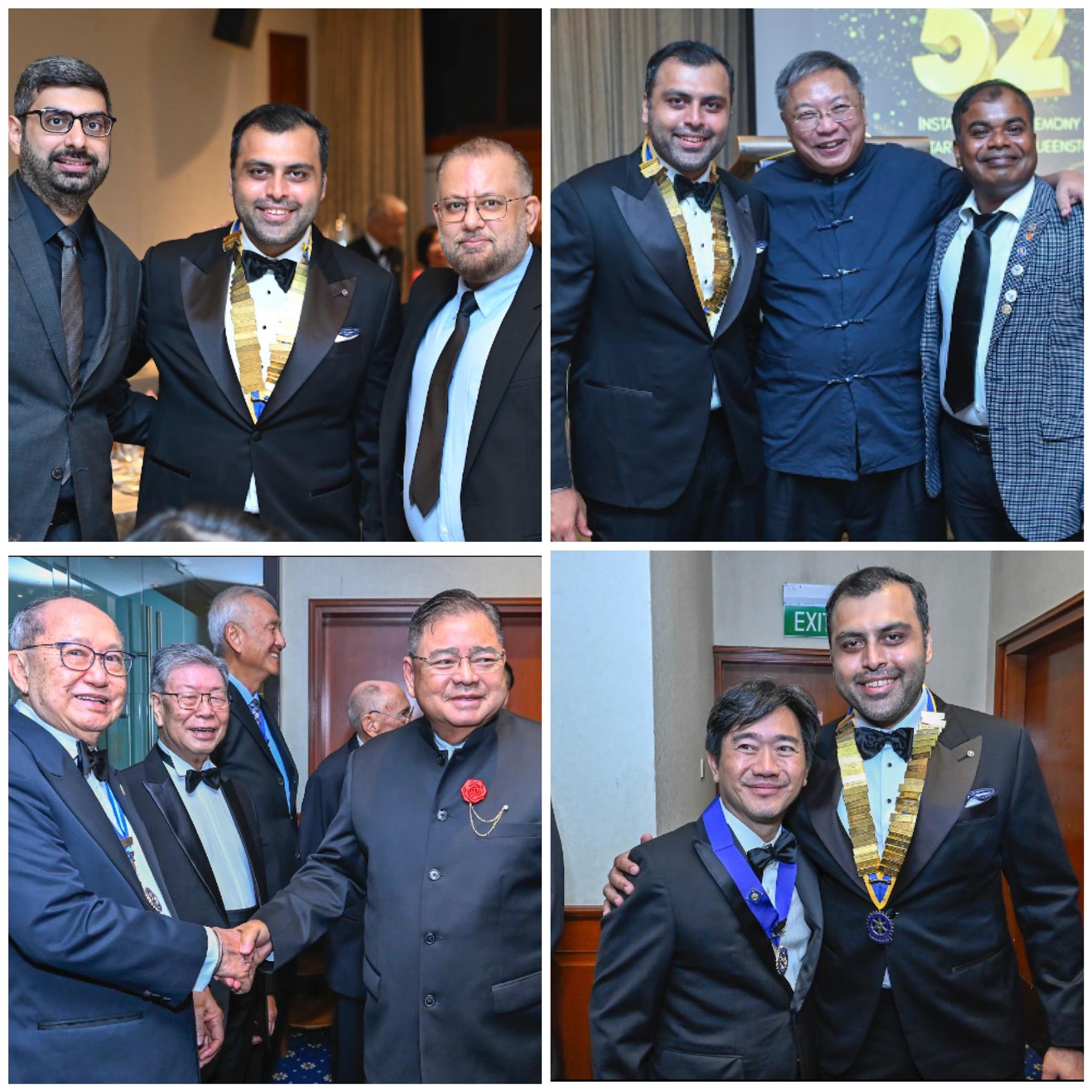
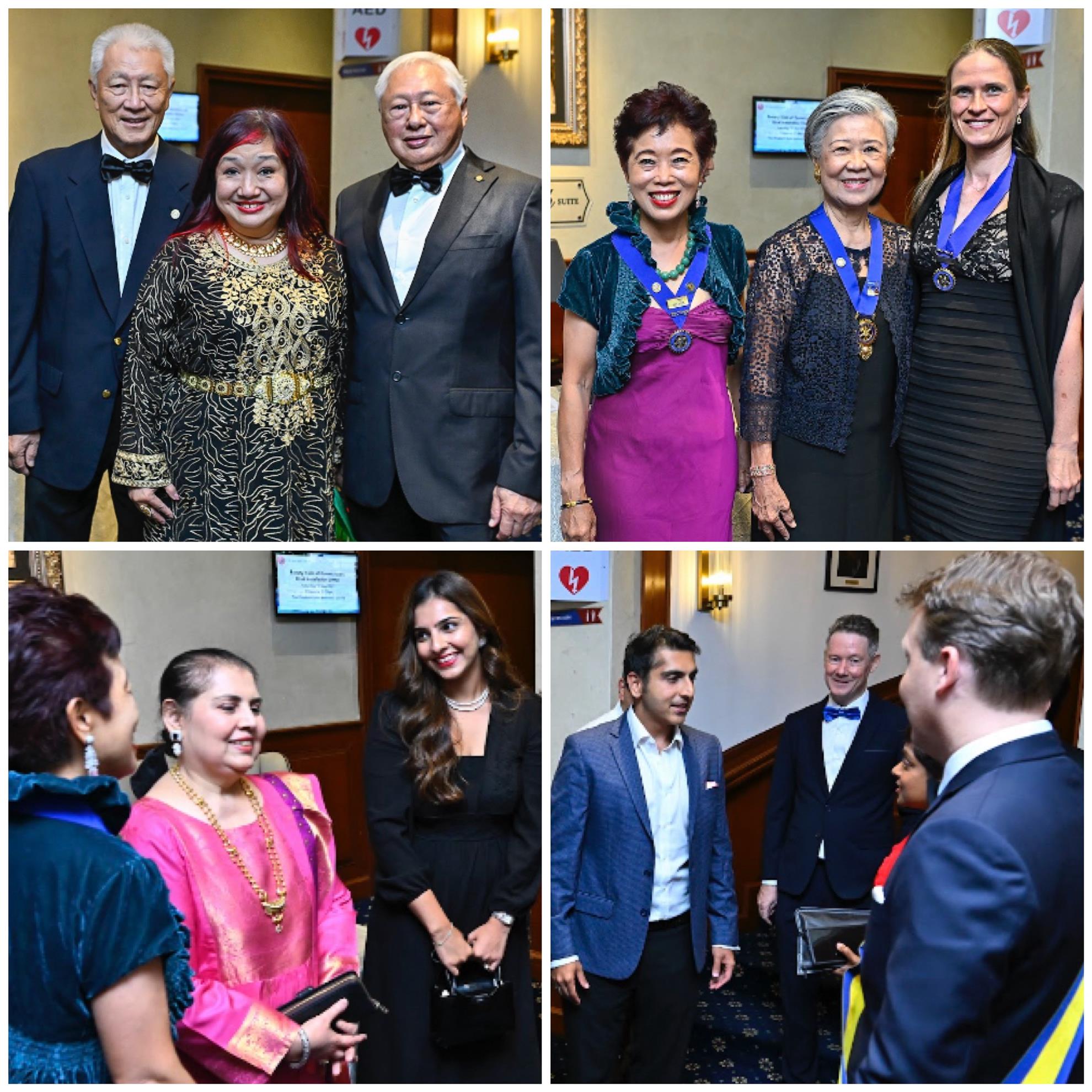
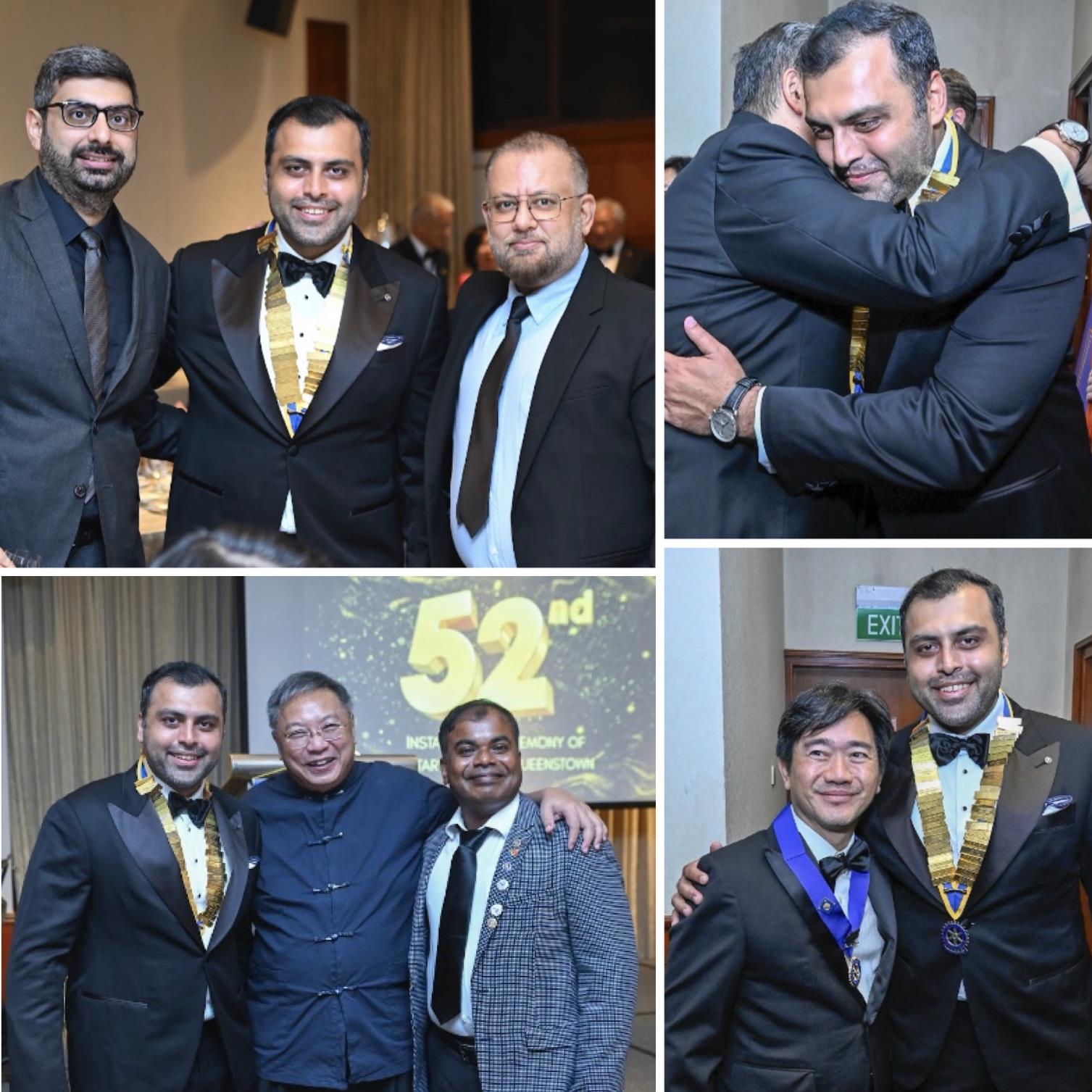
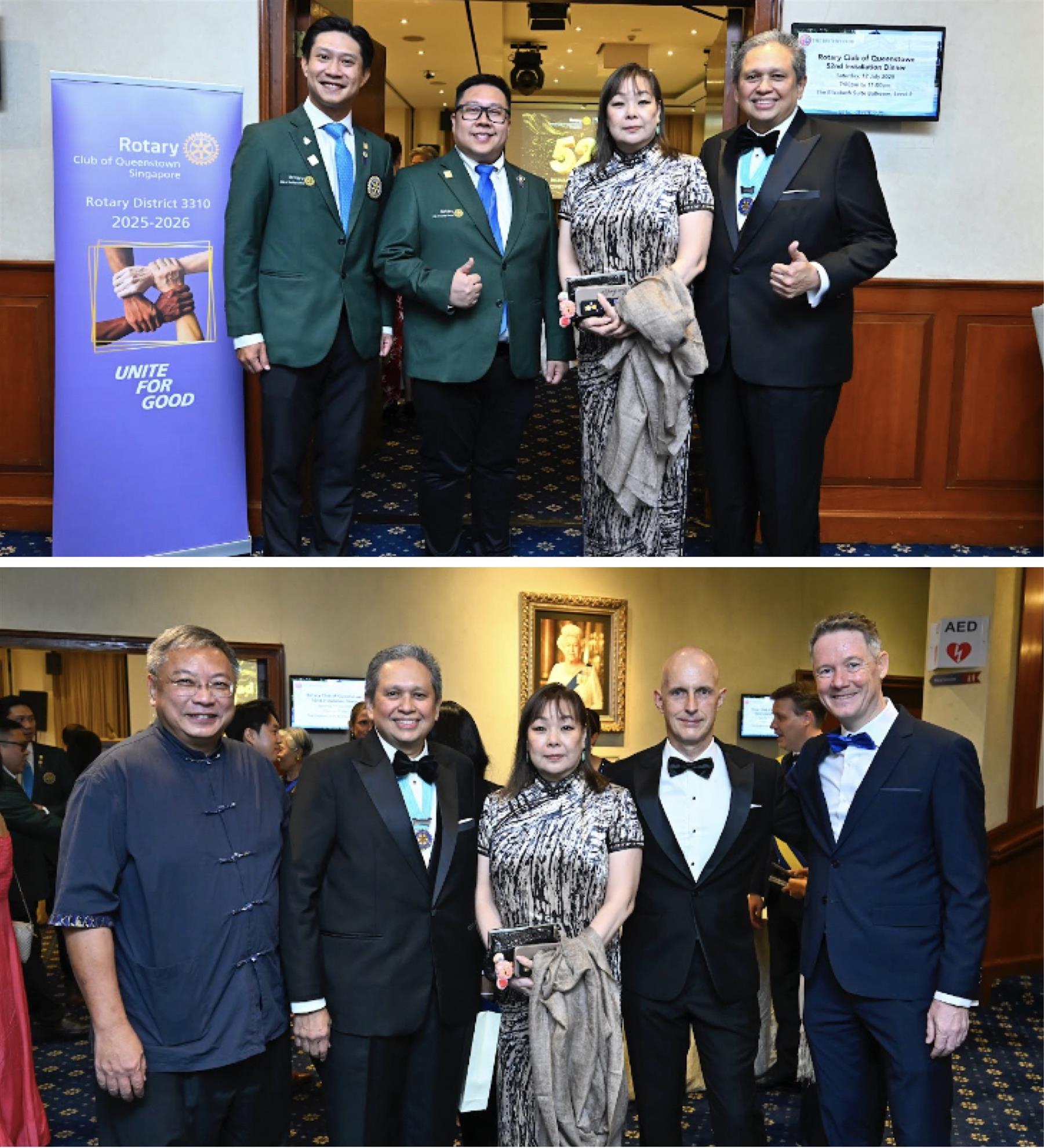
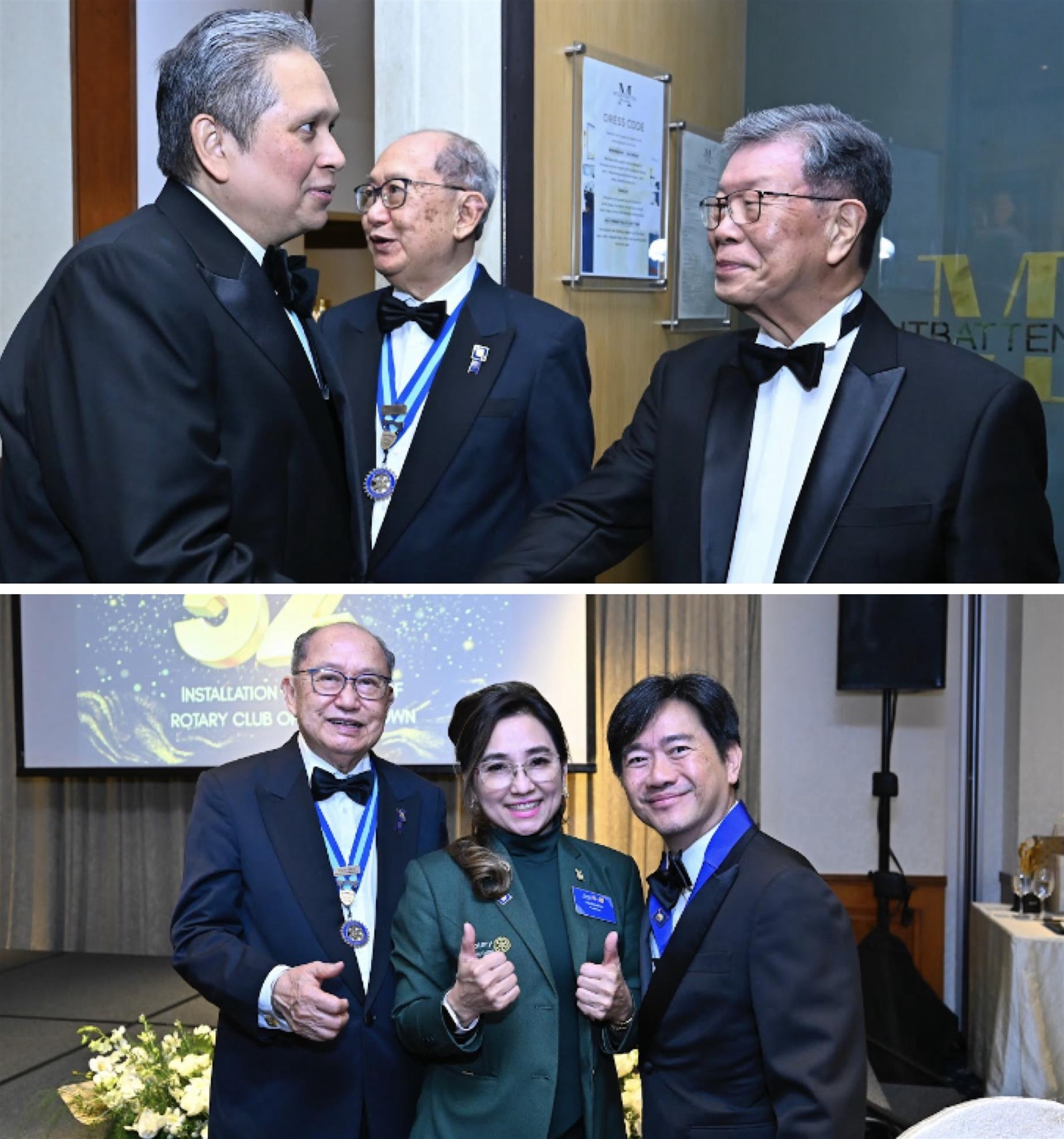
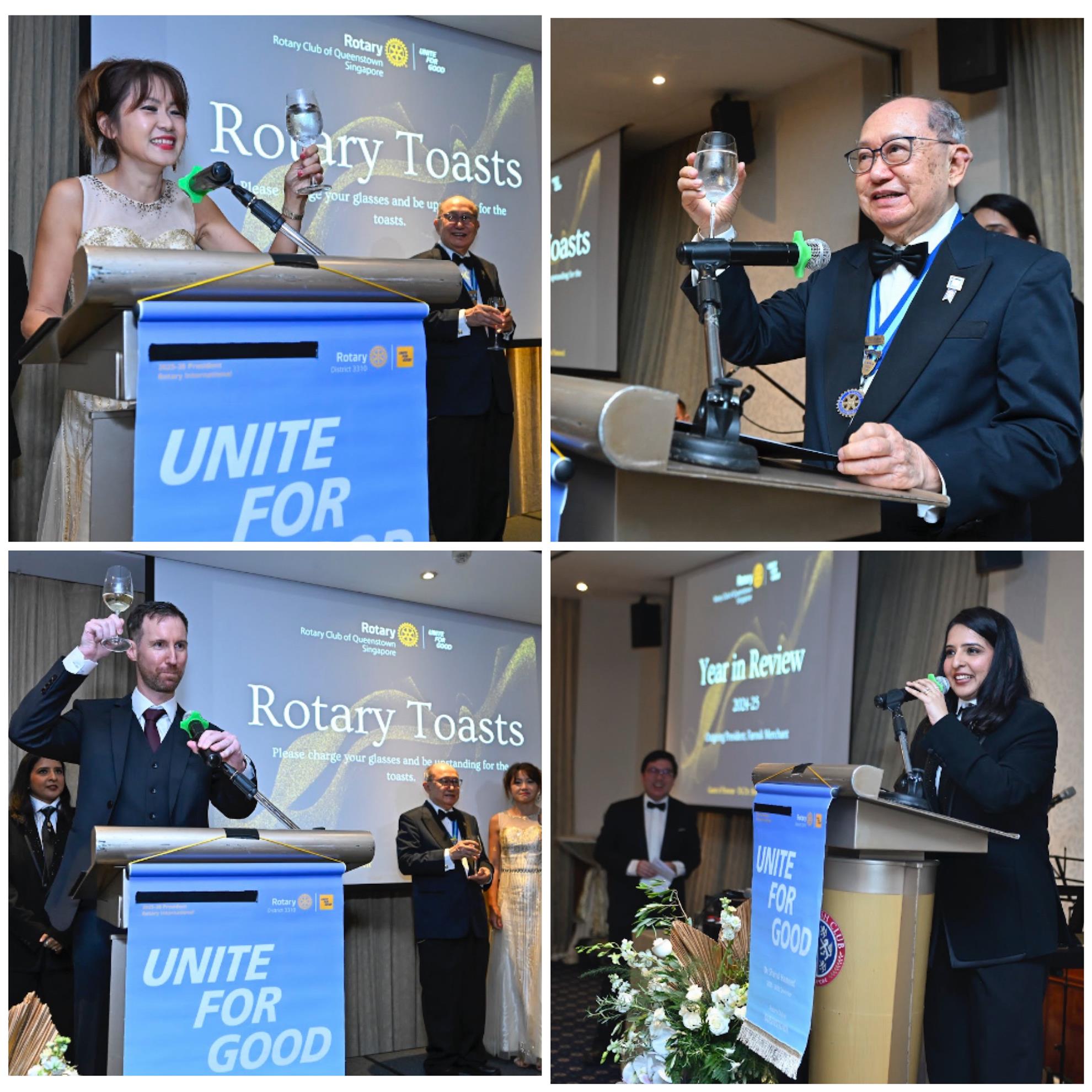
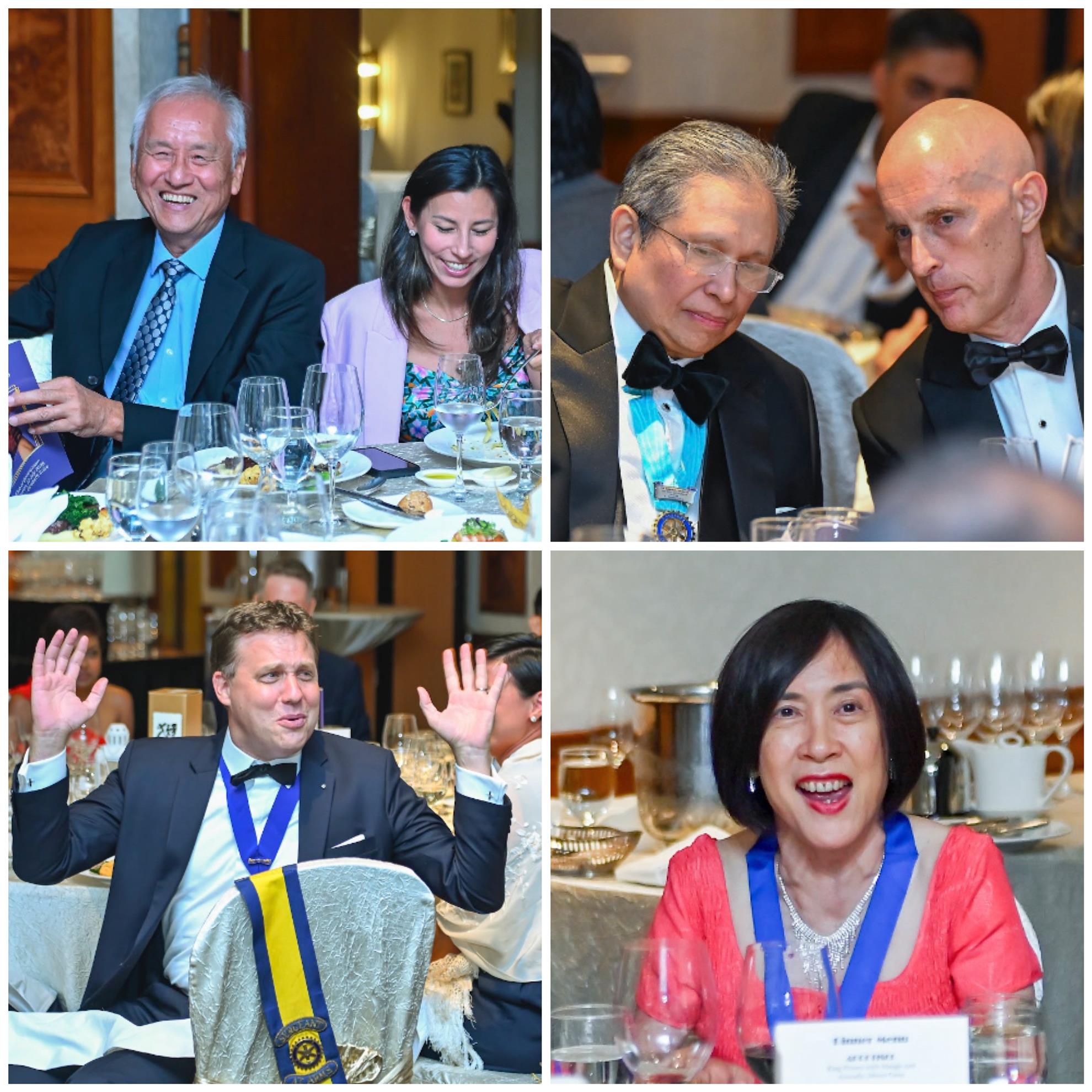
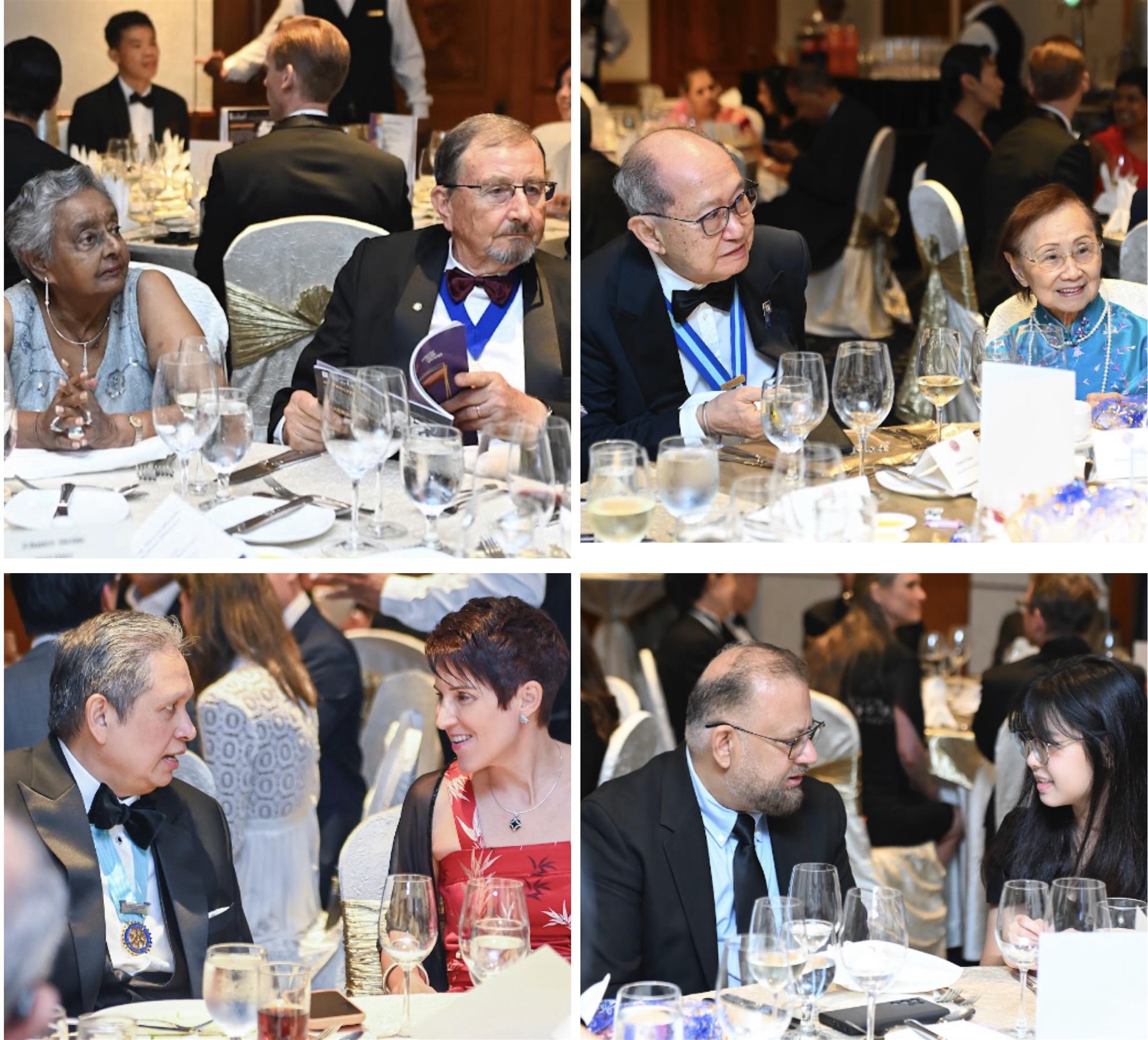
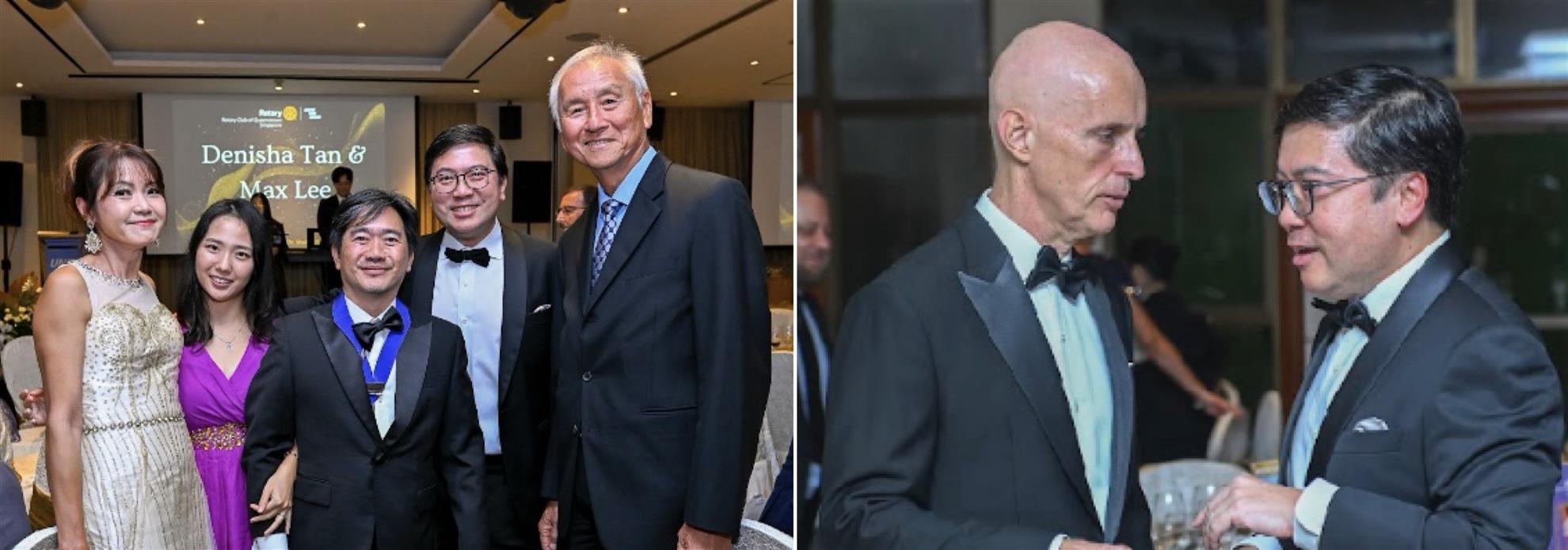
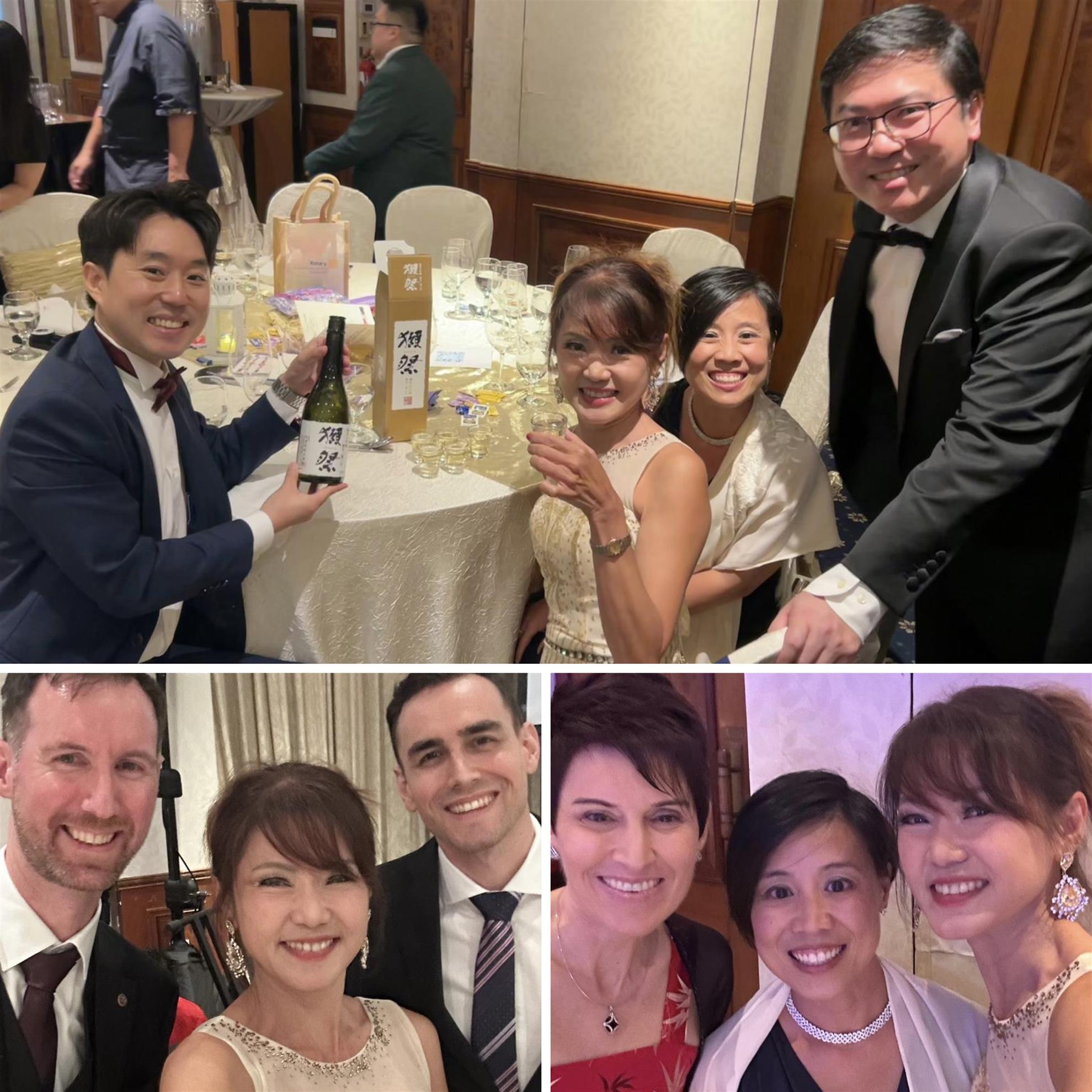
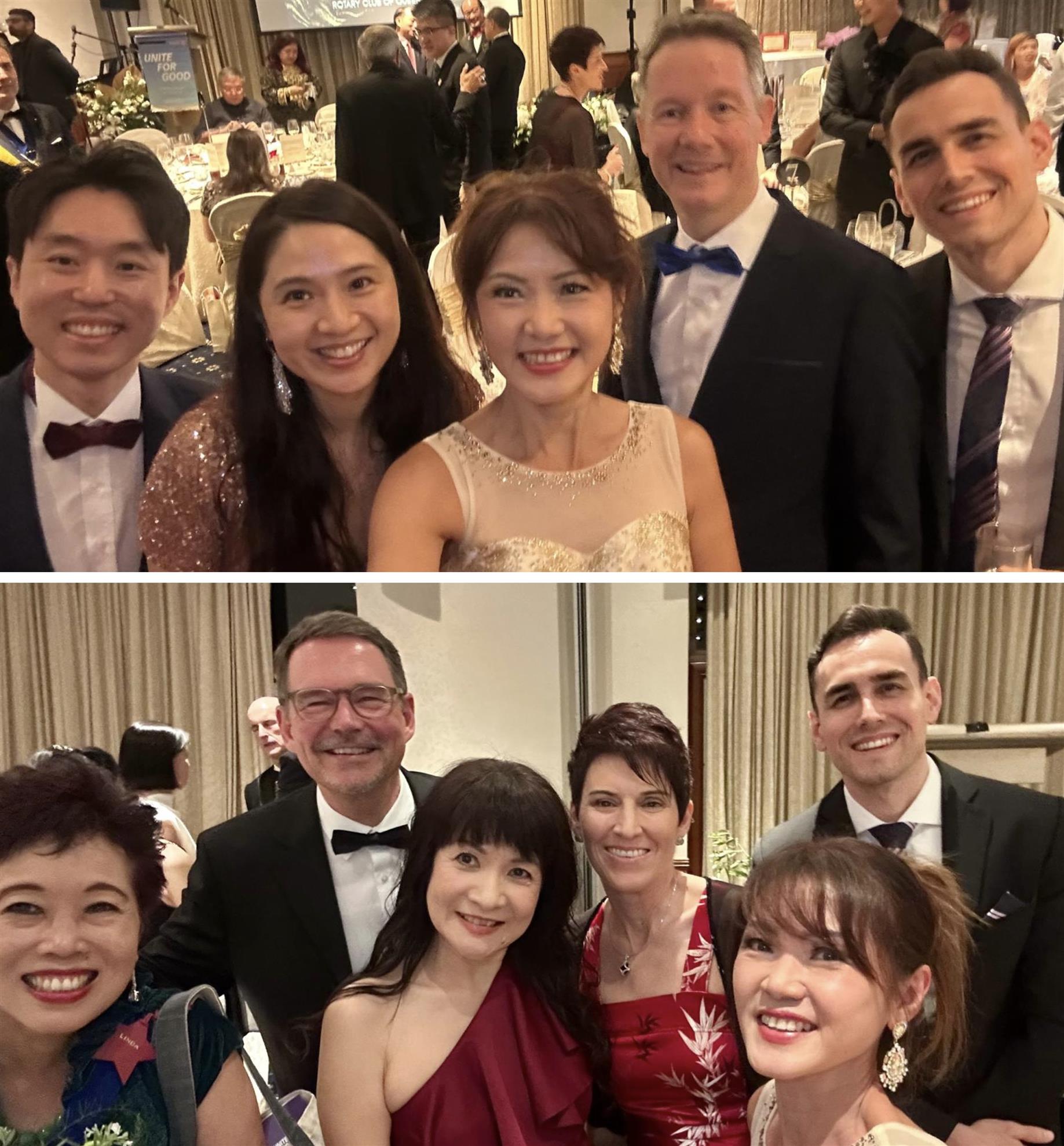
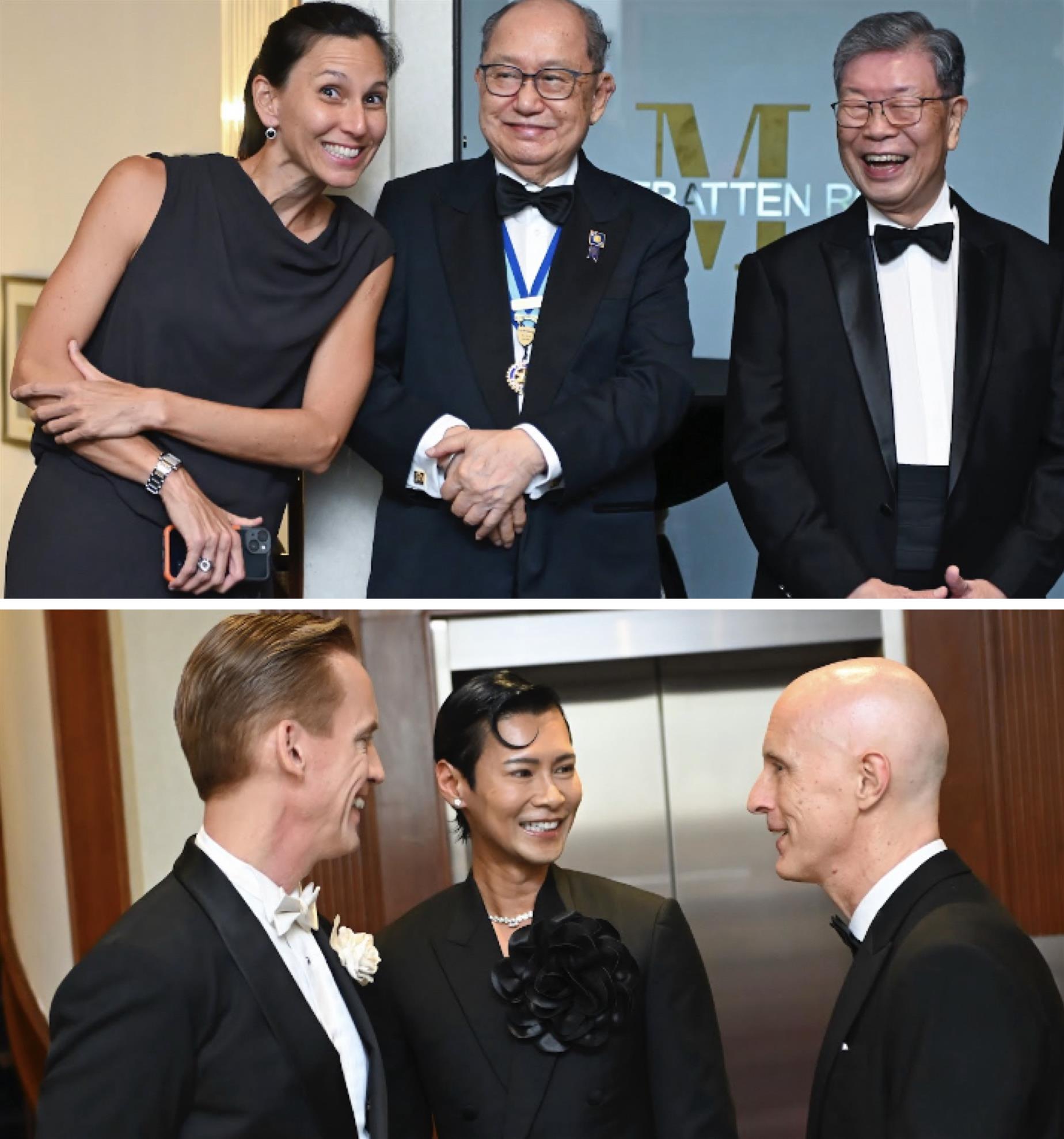
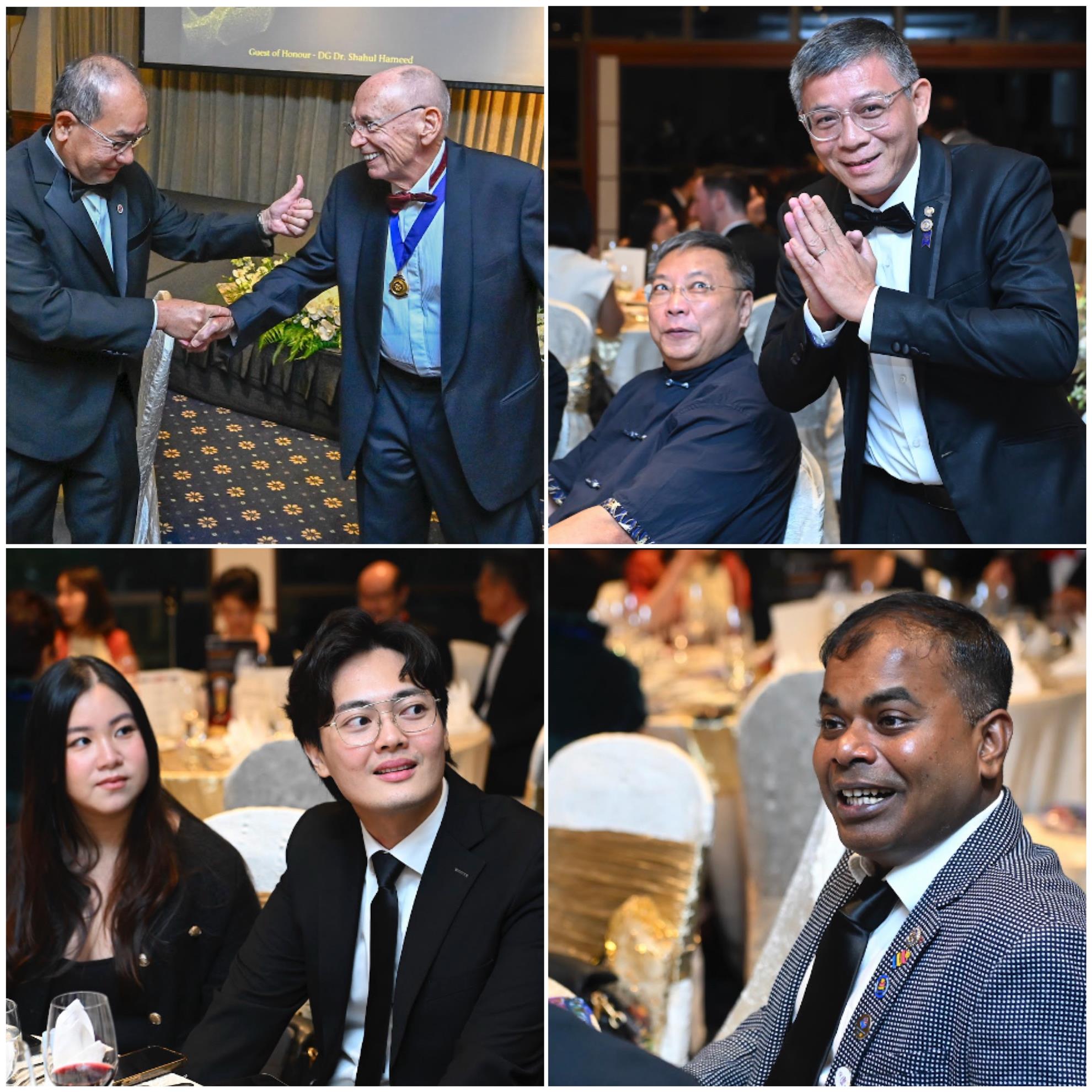
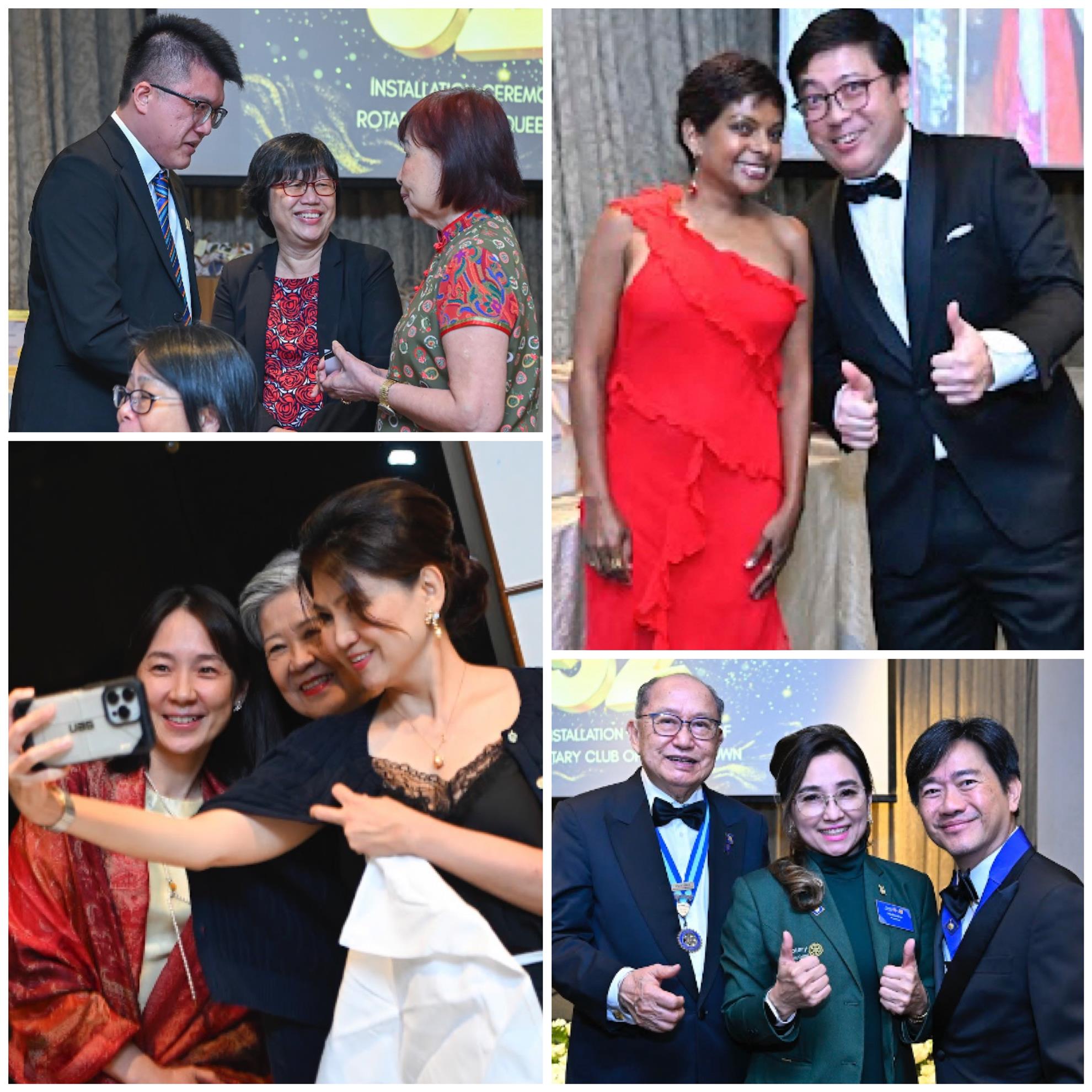
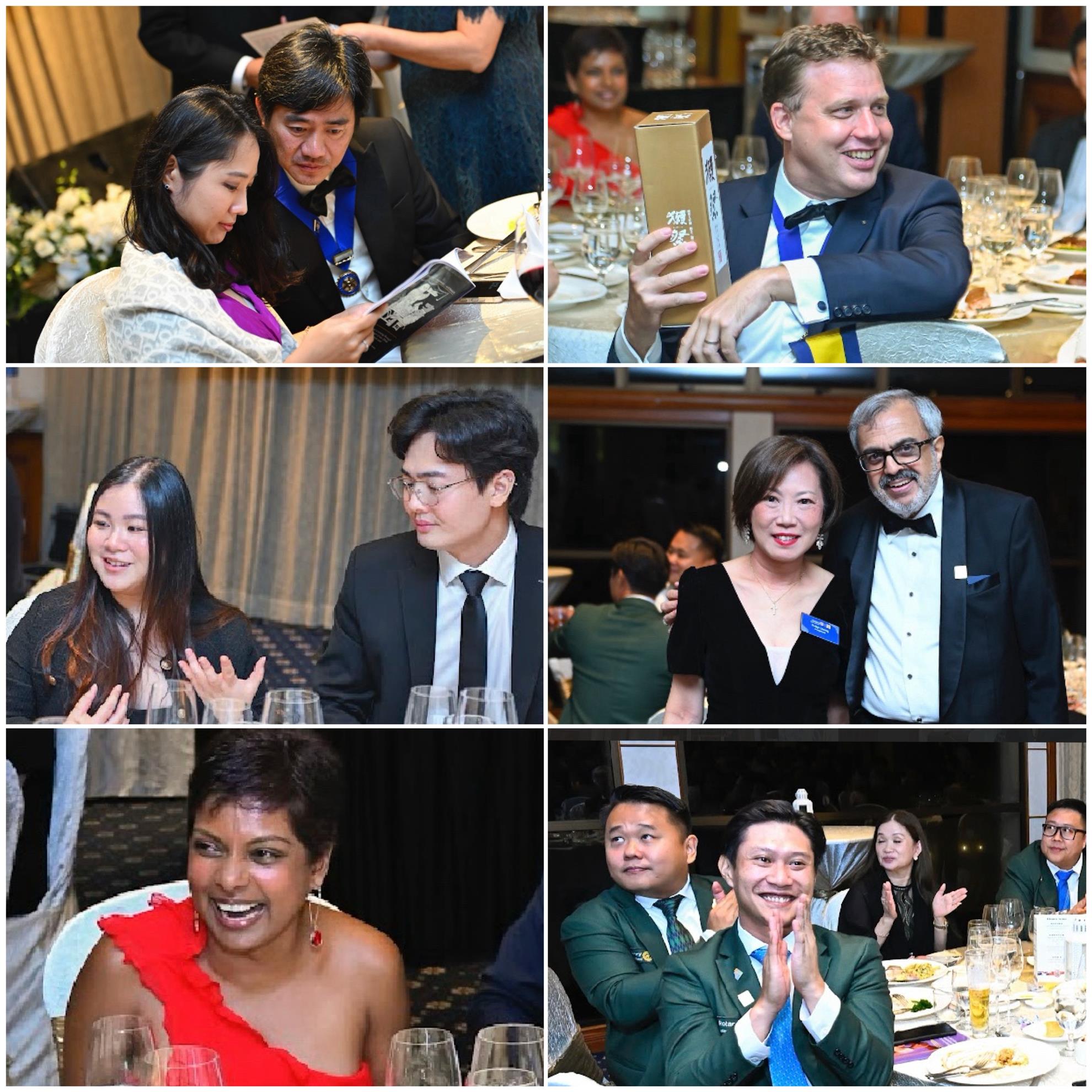
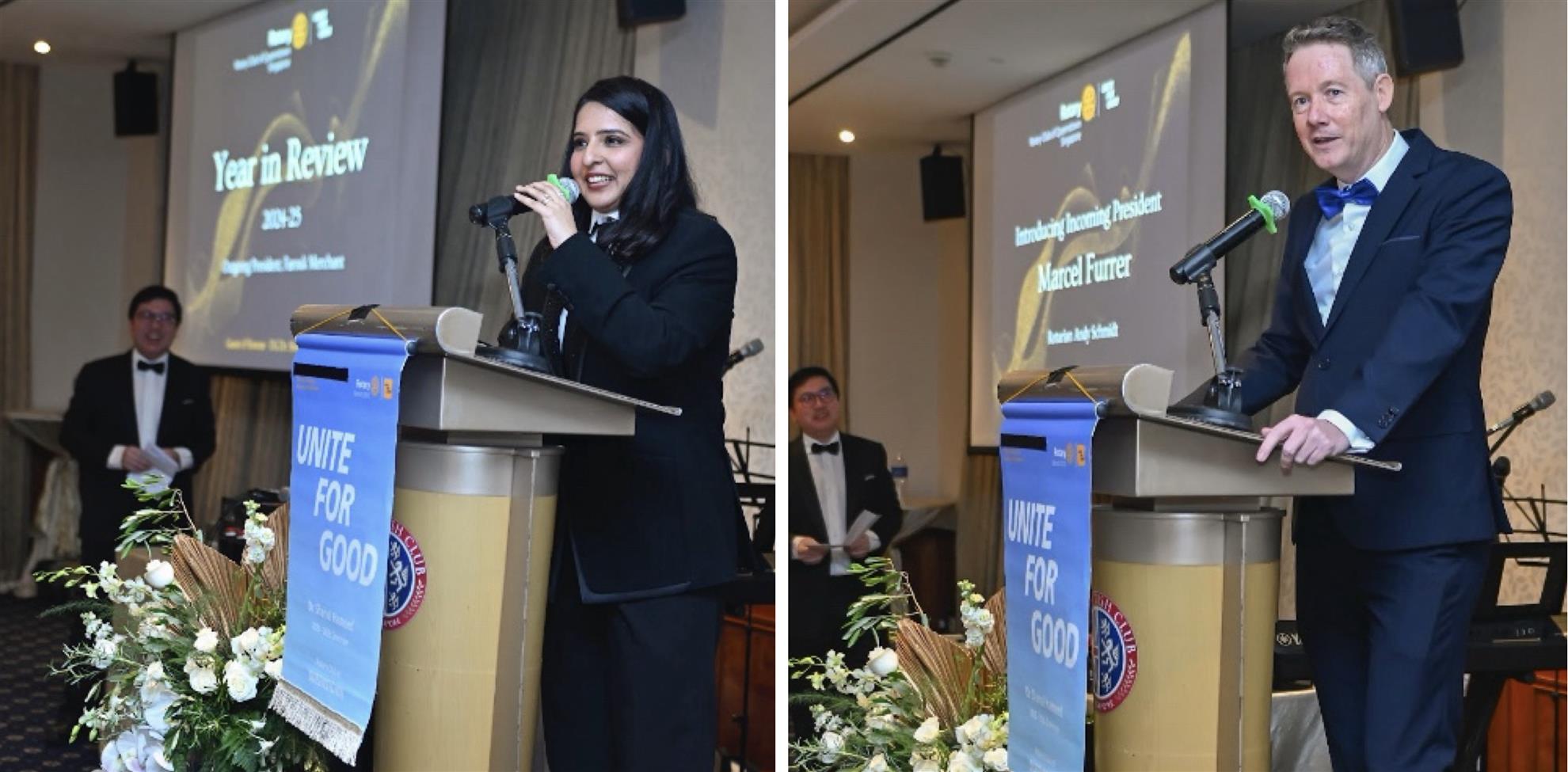
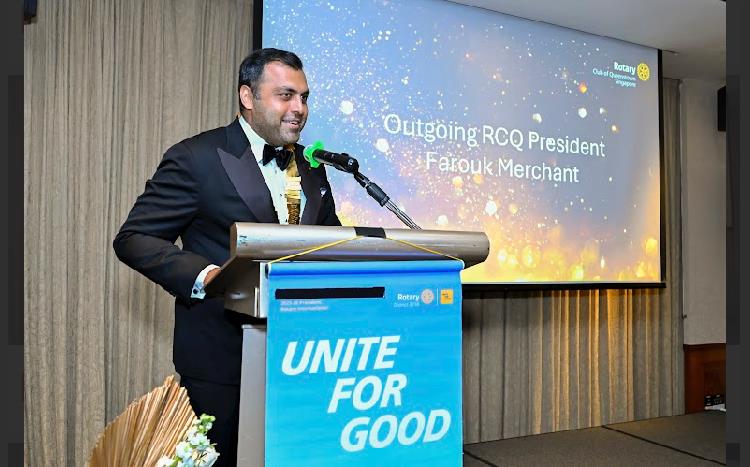
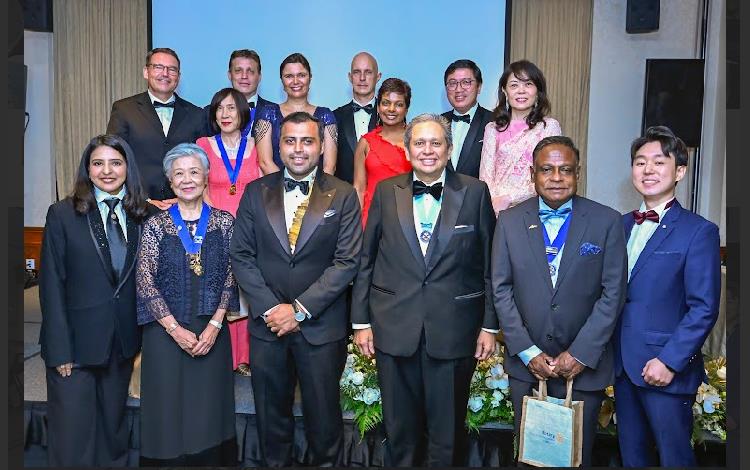
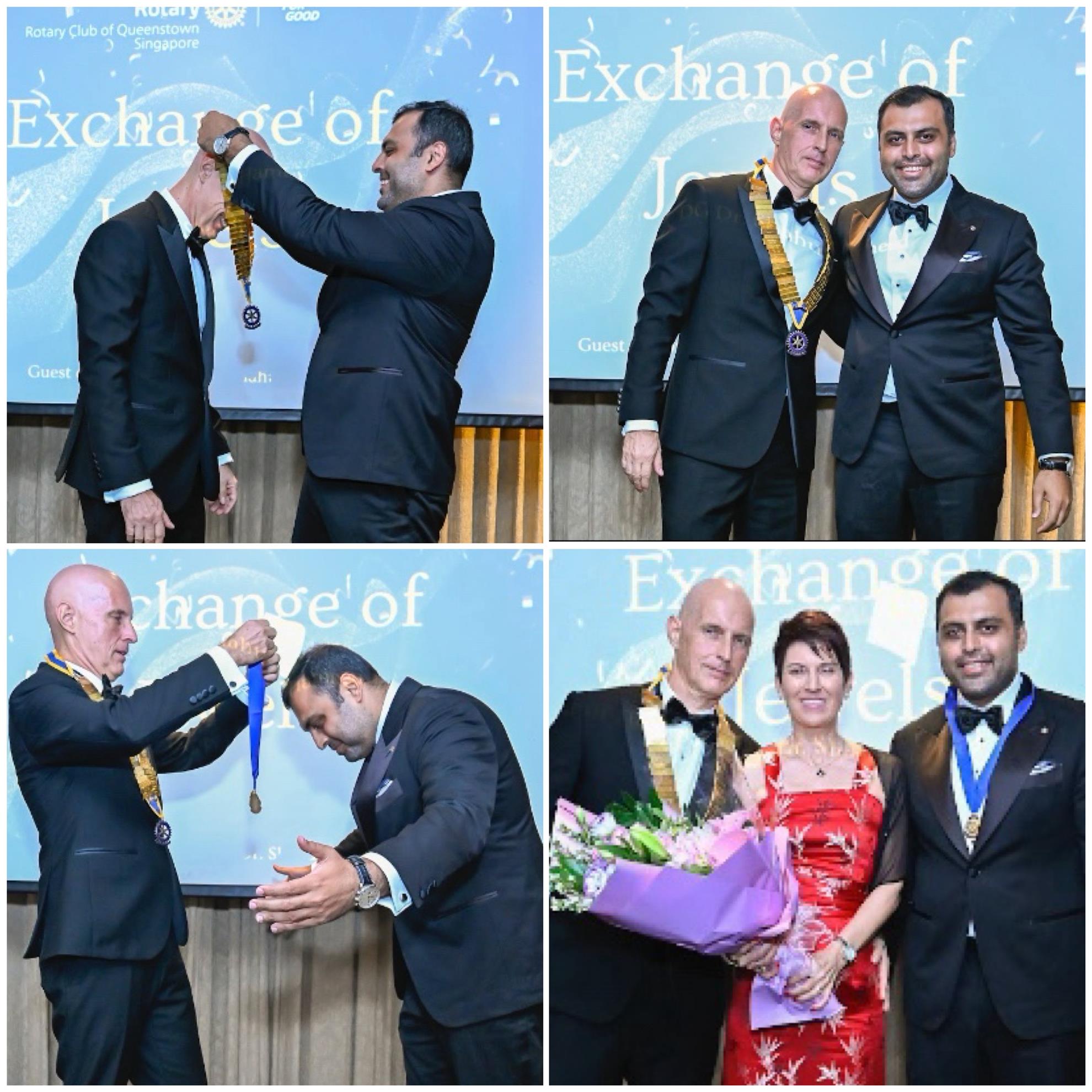
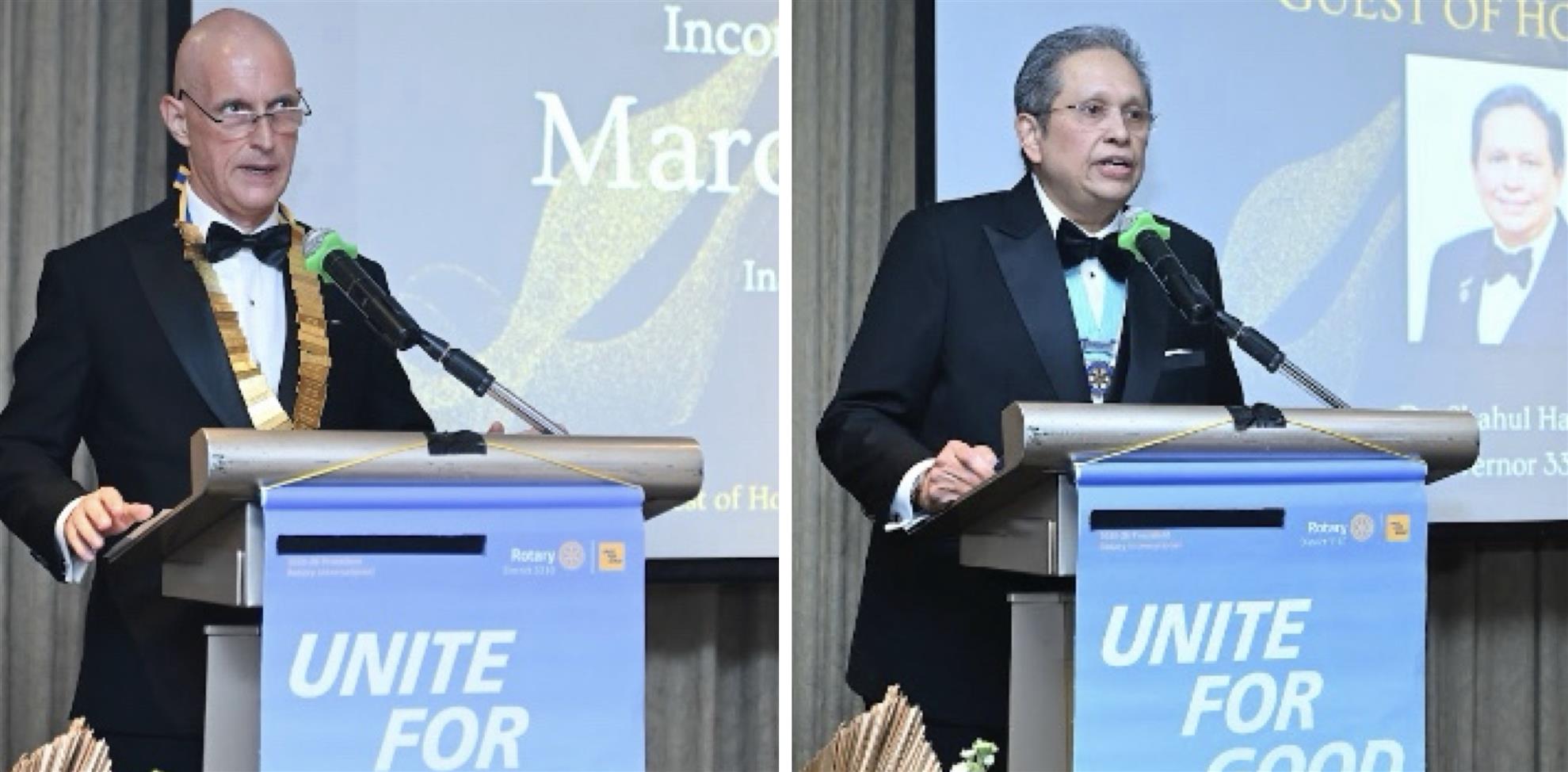
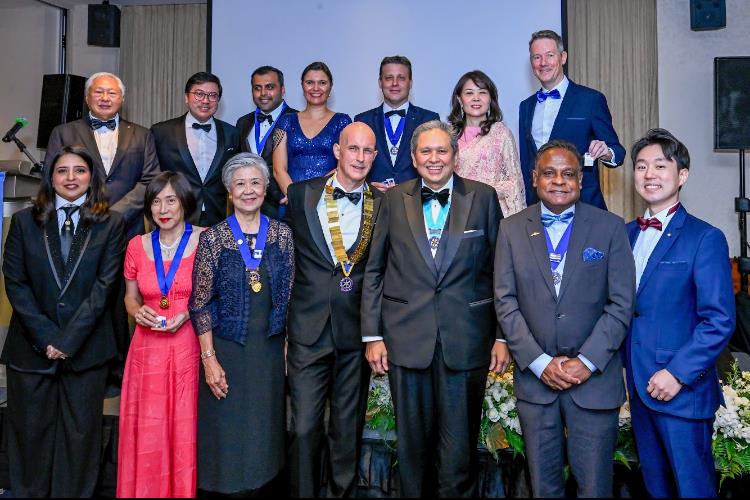
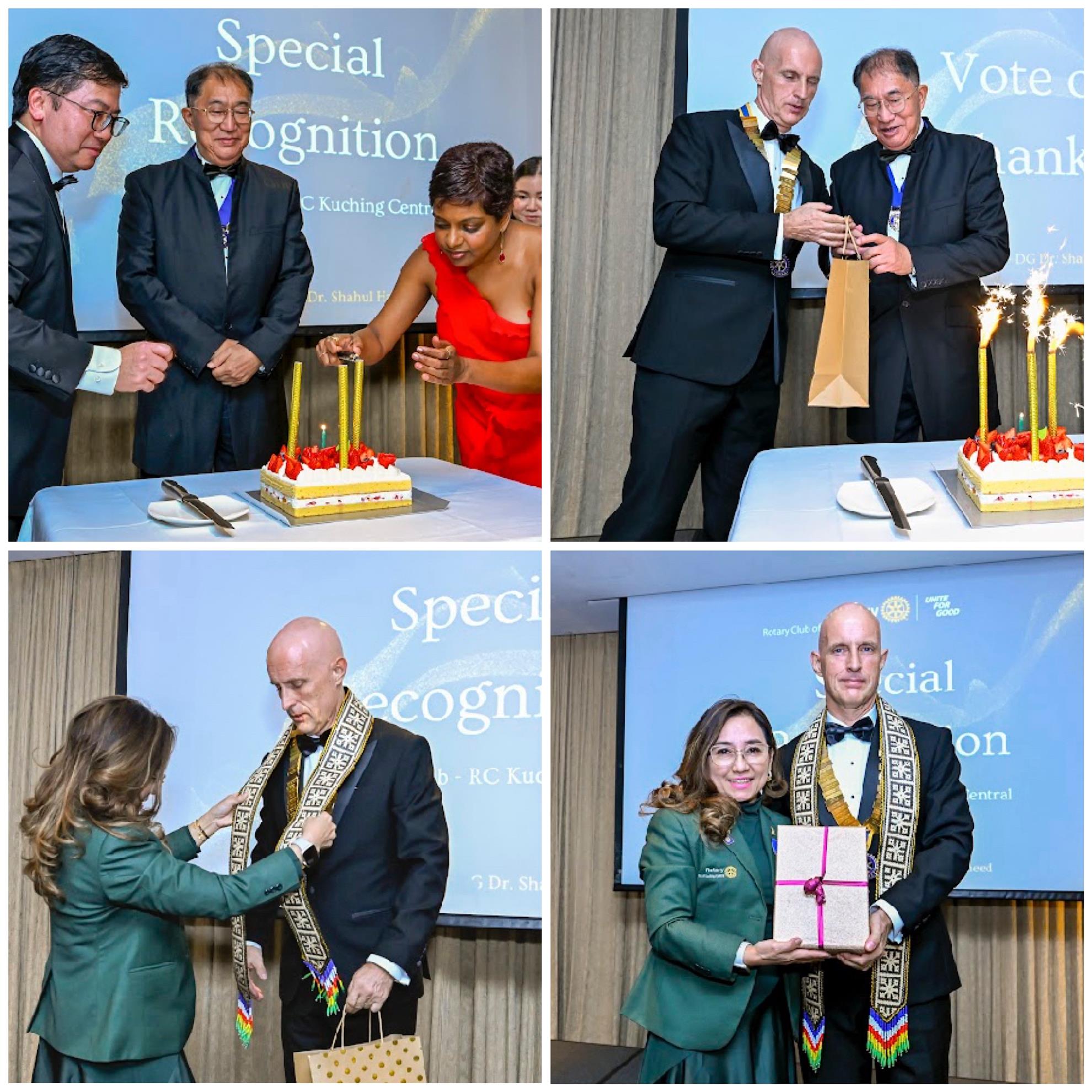
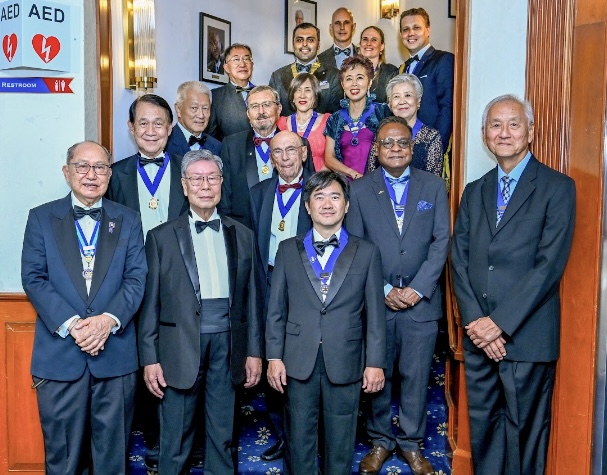
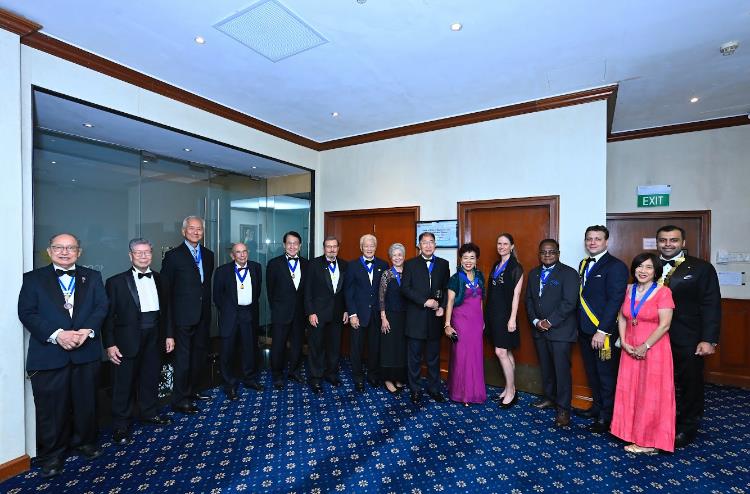
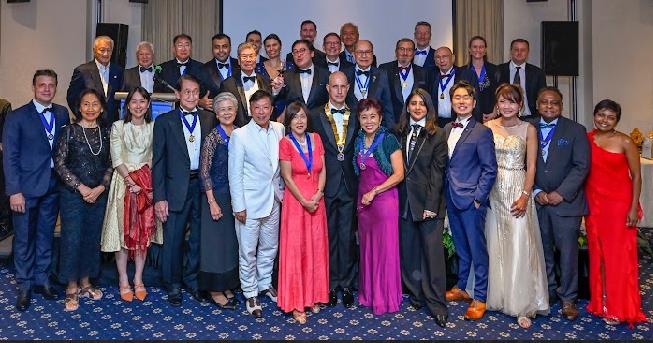
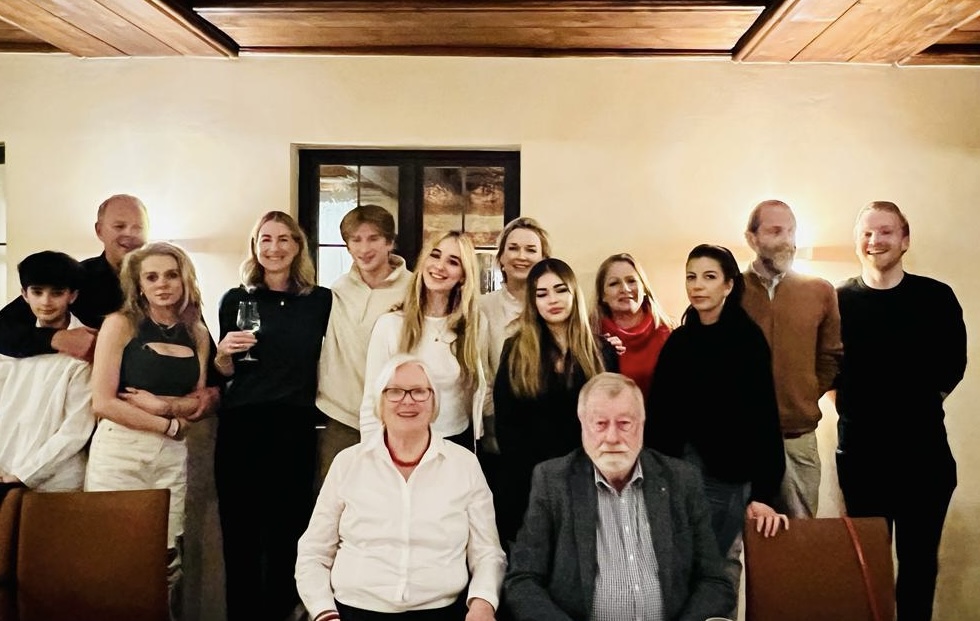
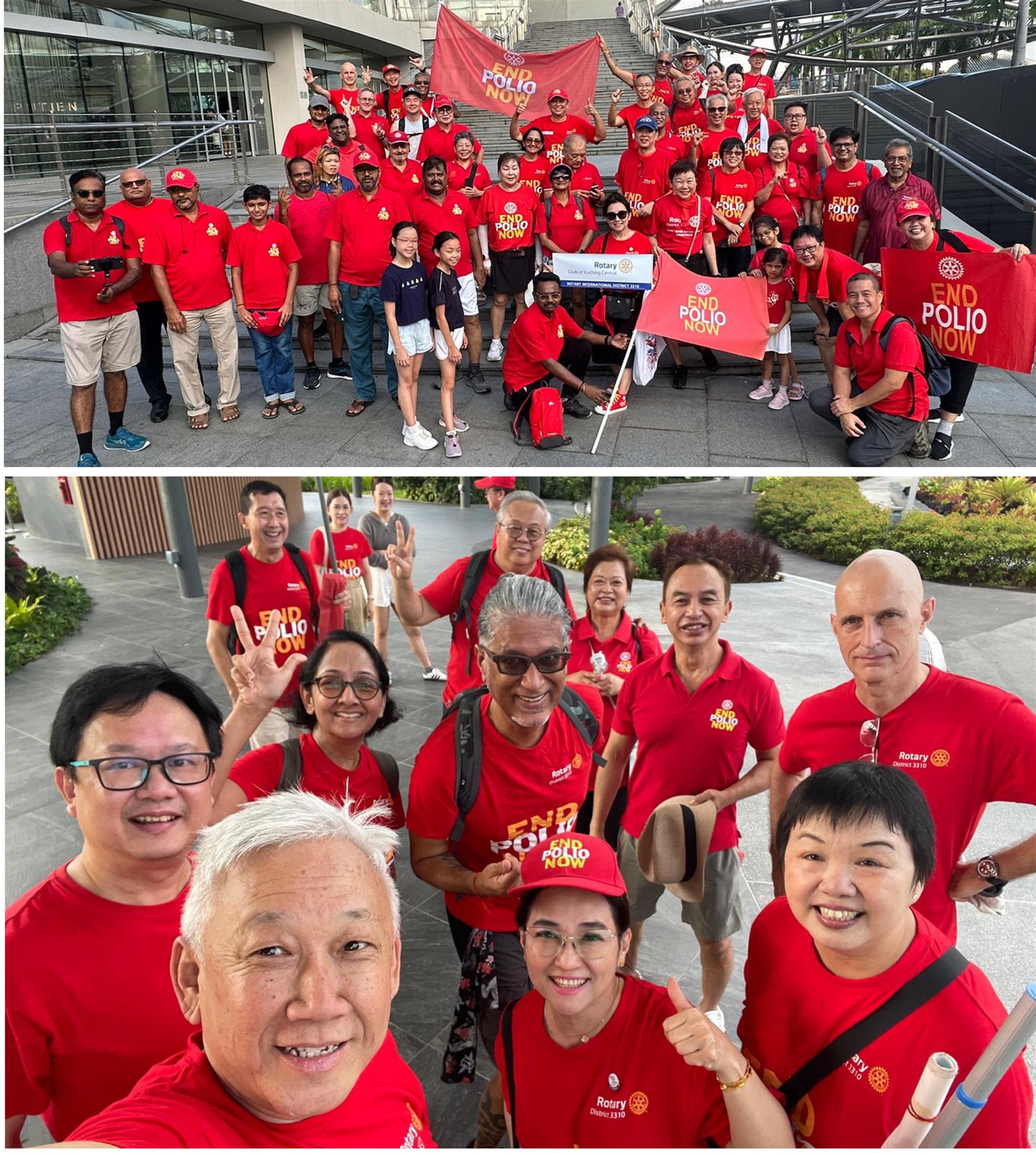
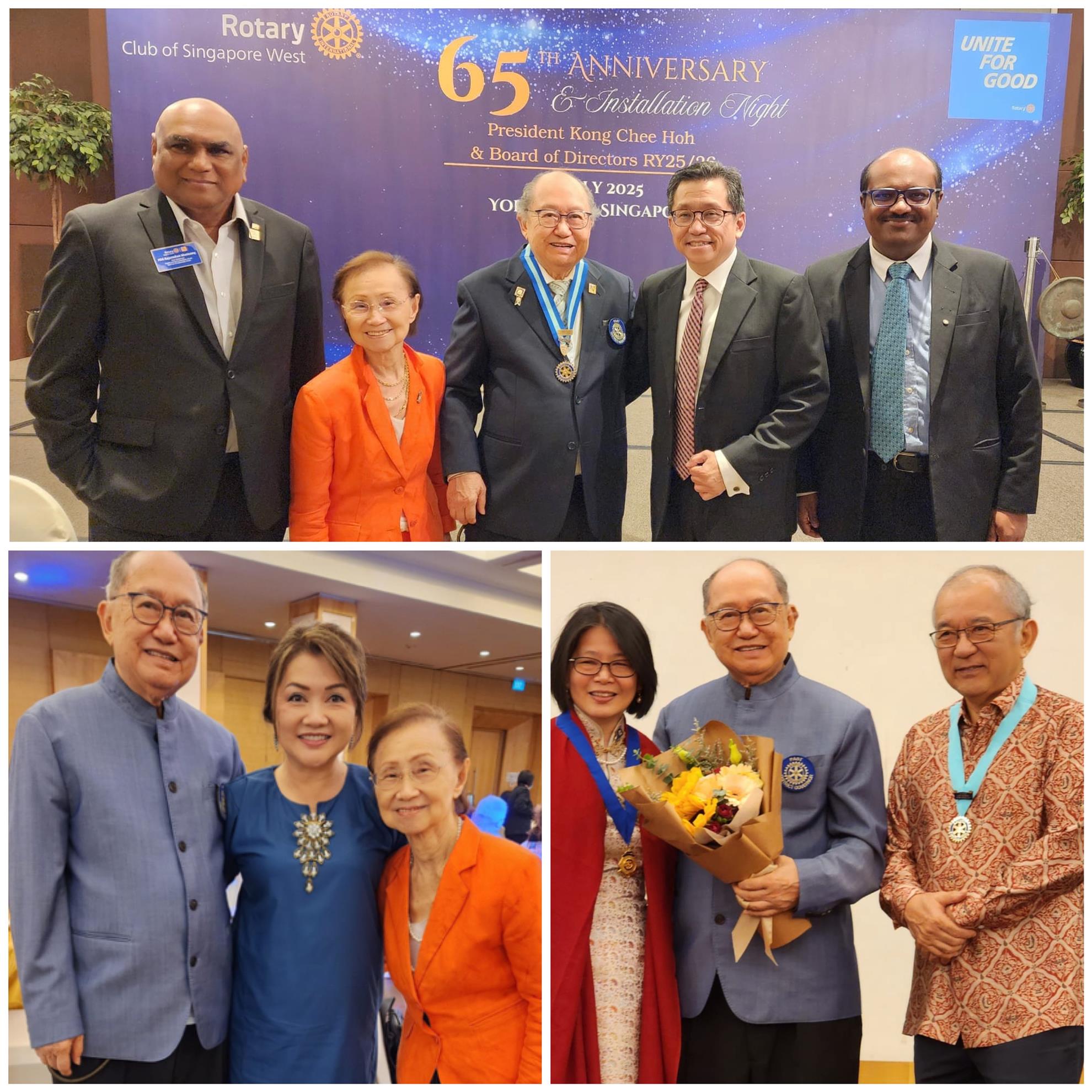
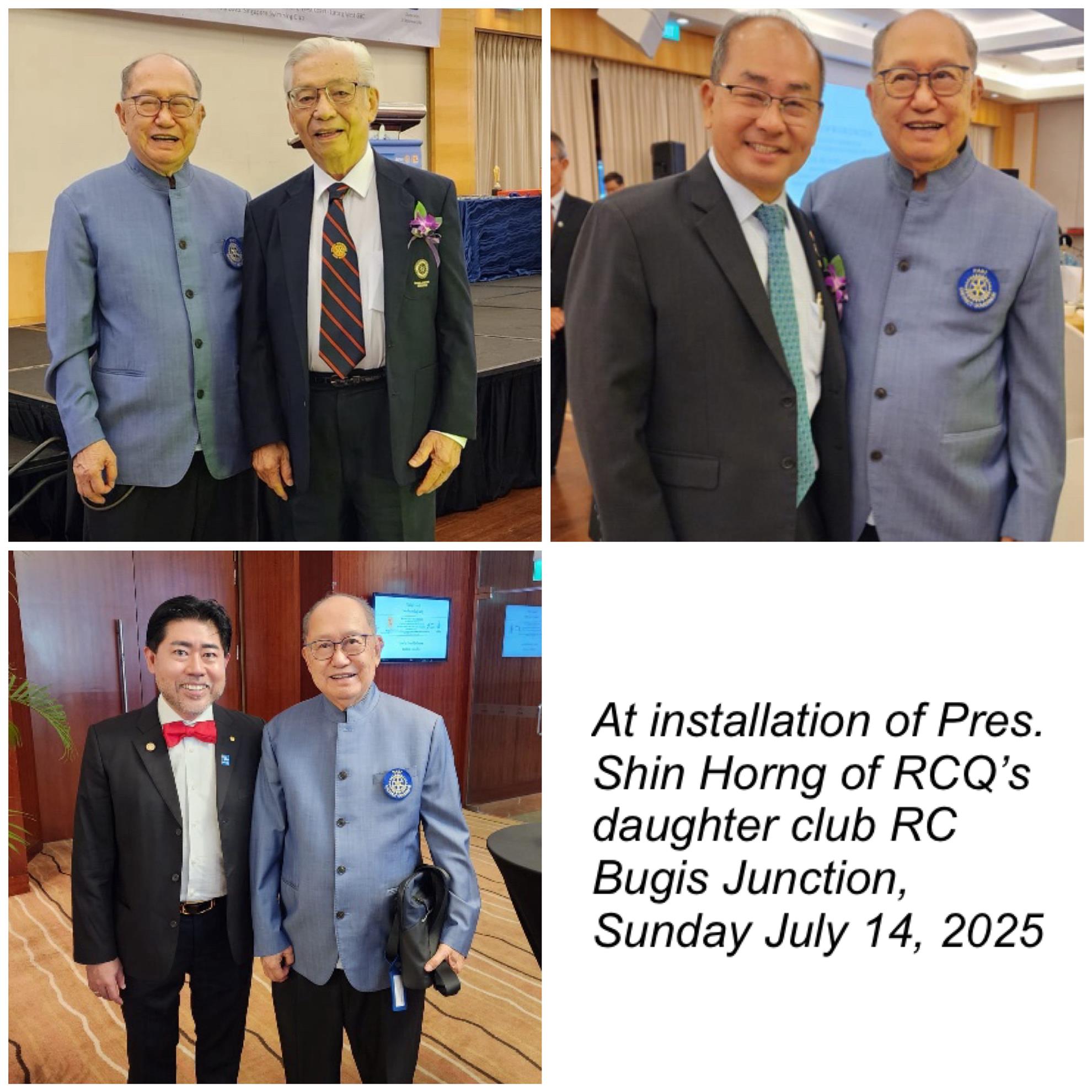
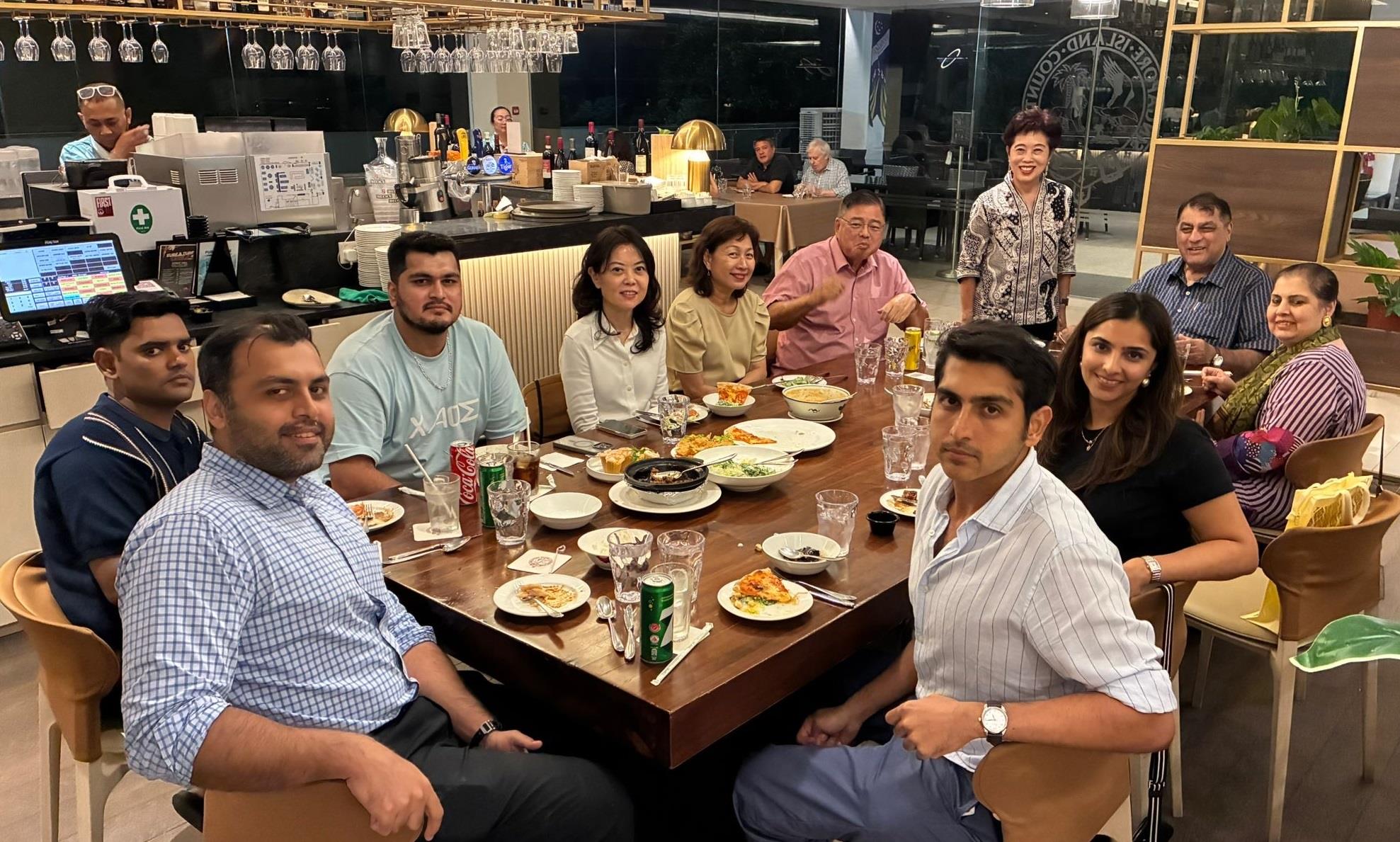
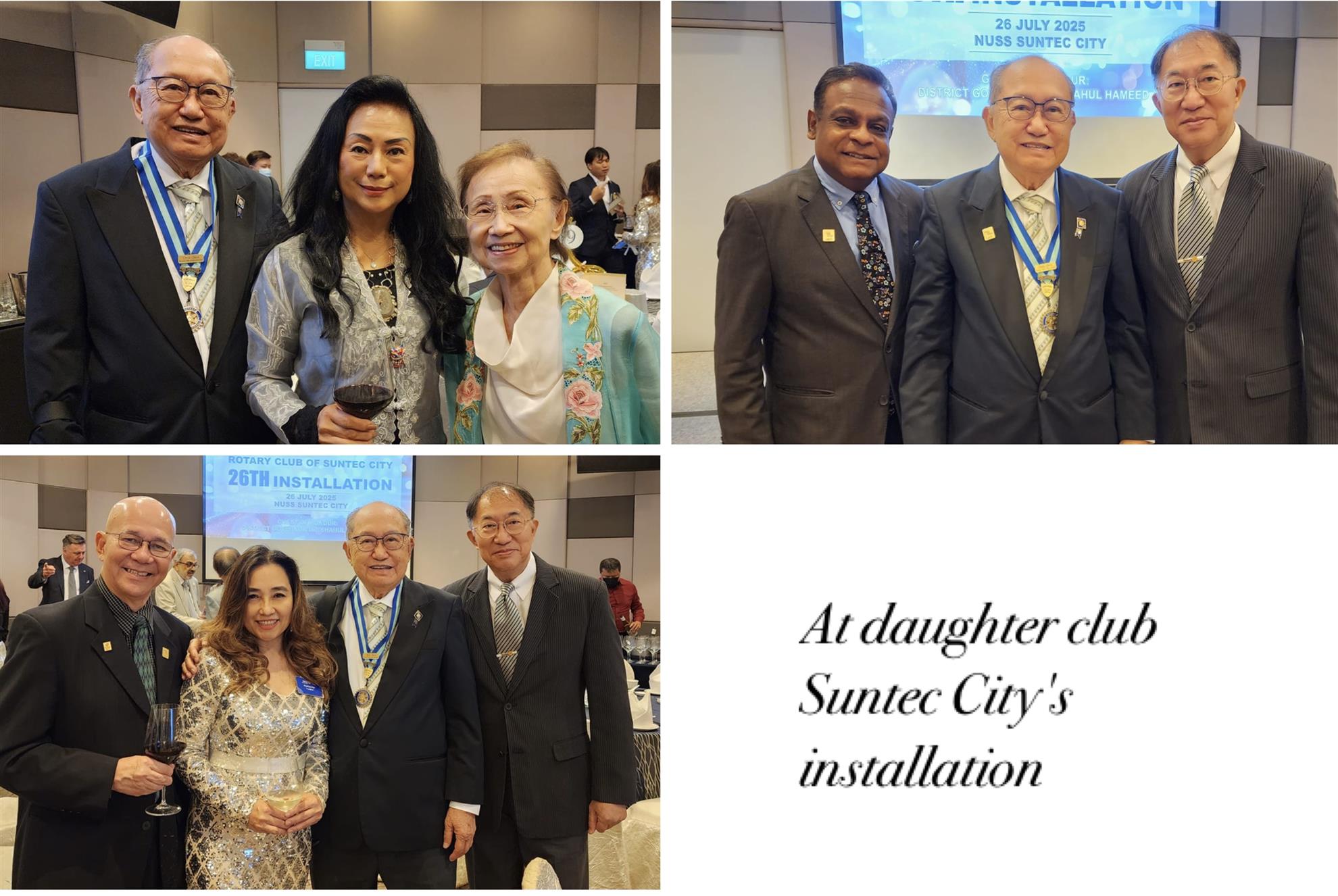
There was no weekly meeting on Monday, July 14, as the club had just celebrated the installation of its new president on Saturday, July 12, 2025. Please find the details below.
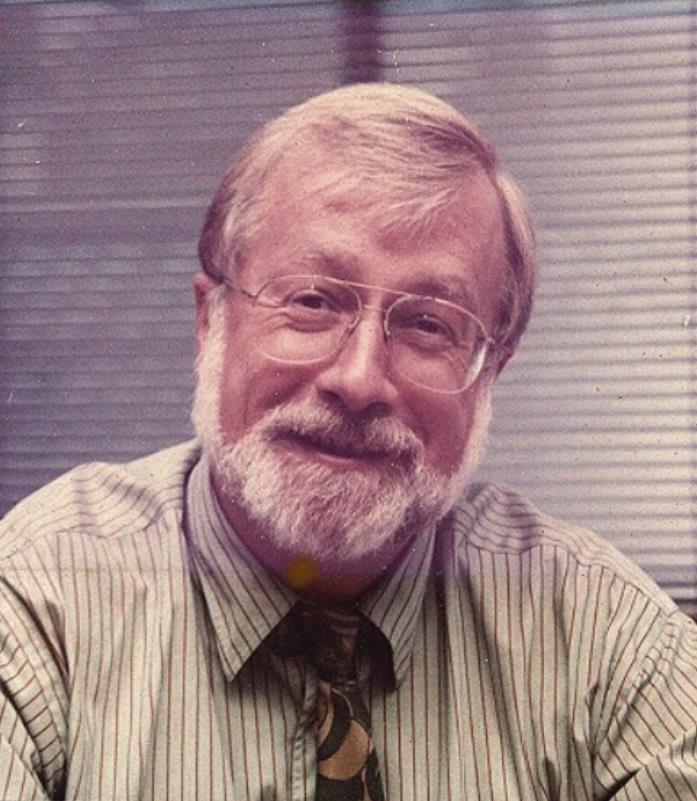
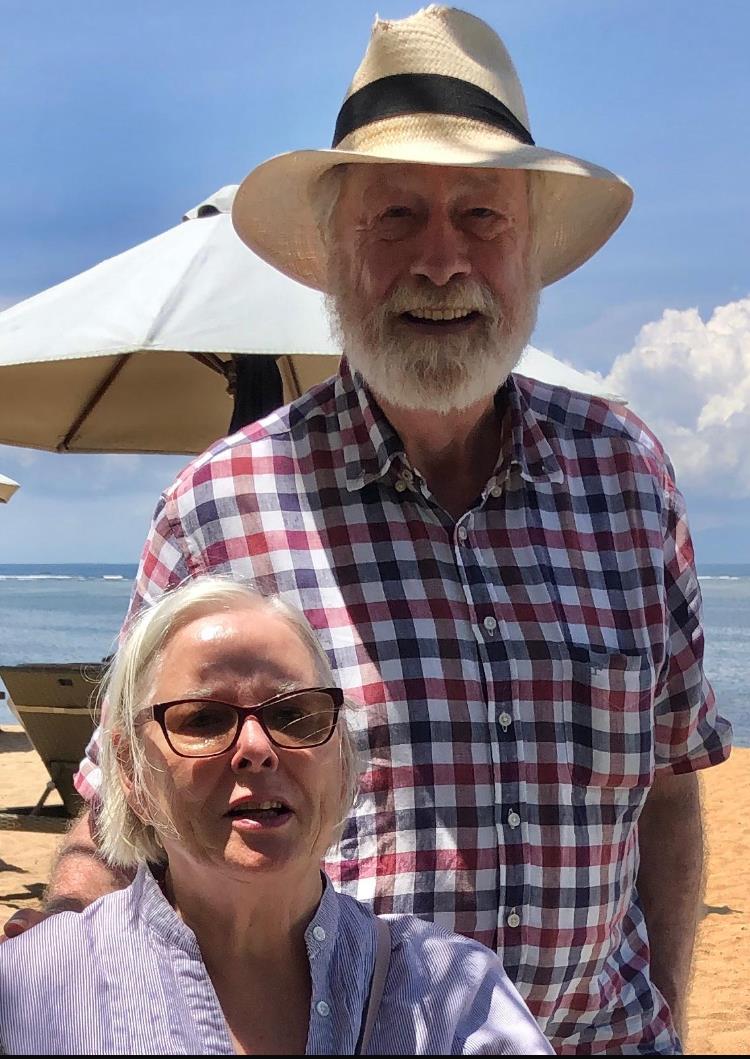
Wolfdietrich Emil Goettel (Wolf)
What inspired you to join the Rotary Club of Queenstown?
When I turned 50 in 1992, my life revolved around work. I was constantly travelling across the region, stressed and overworked, with little time or thought for my private life, something I always assumed could wait.
It was then that PP Edmund Huebner, a former member of RCQ, introduced me to the Rotary Club of Queenstown. I was inducted on 11 November 1992.
The Rotary concept of “Service and Fellowship” immediately resonated with me, especially the idea that fellowship could grow into true friendship. What impressed me most about RCQ was its diversity: it was multinational, multilingual, and included women, which made the club more vibrant and effective, particularly in project selection and execution.
I also found the classification concept - bringing together members from varied professional backgrounds - very sensible. My experience with German and EU development projects in the region had shown me how little of the allocated funds often reached the intended beneficiaries, with much of it absorbed by consultants and bureaucracy. That was why I had previously chosen to support charity projects through my own network, avoiding such inefficiencies.
Rotary was different. Here, every dollar raised translates into a dollar spent on the intended purpose because the club’s members contribute the necessary expertise and manpower themselves. That convinced me.
How has your personal journey with the club shaped your life over the years?
It strengthened my conviction that there are other significant pursuits in life beyond a career in business, such as serving the community and giving some of your time to those less fortunate. Rotary also brought a new structure to my life: planning to attend weekly meetings at a fixed time and taking time away from constant business obligations. Surprisingly, it worked well and did not have the negative impact I had feared on family or business commitments.
It was a great honour and a valuable learning experience that my presidential year (2007–2008) coincided with our Charter Member Chris Chen serving as District Governor. As a Charter Member, PP, and PDG, Chris’s knowledge spans the entire life of the club, making him the best source to trace RCQ’s progress over the past fifty years.
Realising the tremendous advantage of Rotary’s international network, I was fortunate to develop long-term relationships with regional clubs. From 1994 to 1996, I worked in Medan, North Sumatra, as a consultant to Governor Rajah Zainal Siregar, tasked with developing the industry of this strategically important region. During this time, I joined RC Medan. Among many projects, we built the first small hospital on Samosir Island, Lake Toba, with sponsorship from a Dutch club — providing basic medical care for 60,000 people at a cost of only US$20,000. Supplying clean water to a village of 1,000 residents cost just US$1,500 and reduced waterborne diseases by 90% in the first year. The “bang for a buck” left a lasting impression on me, especially when compared with a project in Singapore at that time: “$10,000 for a toilet.”
From 1996 to 1998, during a politically turbulent period in Indonesia, I worked for the EU establishing the European Indonesian Chamber of Commerce in Jakarta. I joined RC Jakarta Selatan, reconnecting with many old friends from my earlier time in Bandung (1976–1981). My friend from INSEAD days, David Kueper (then Country Director for Swisscontact), was recruited into Rotary by me and eventually became a charter member of RC Ubud, together with the Rajah of Ubud.
Can you share one of your most cherished memories from the early days of the club?
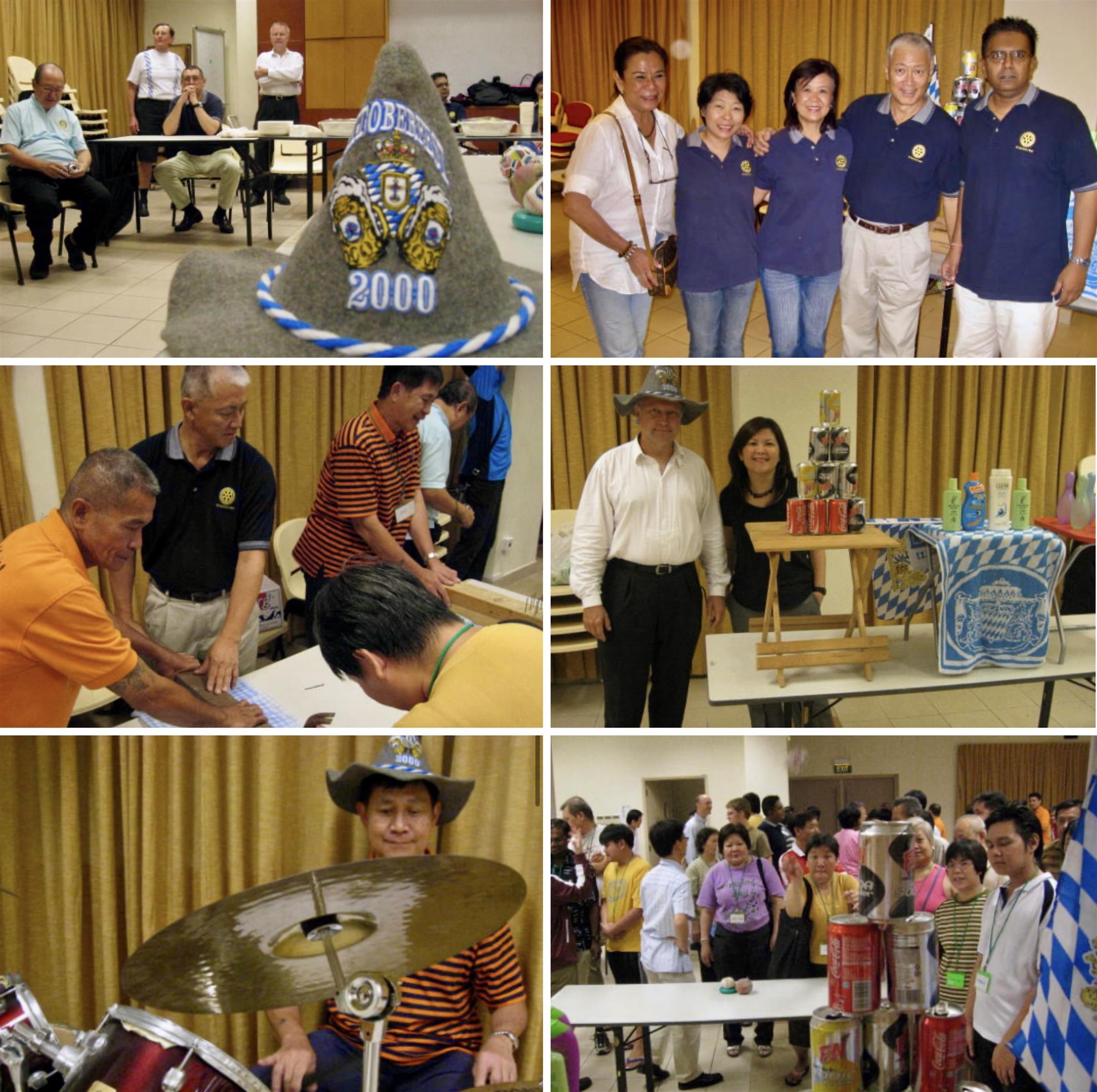
The first Oktoberfest at the home for mentally ill people in 2007 - if my memory serves me right.
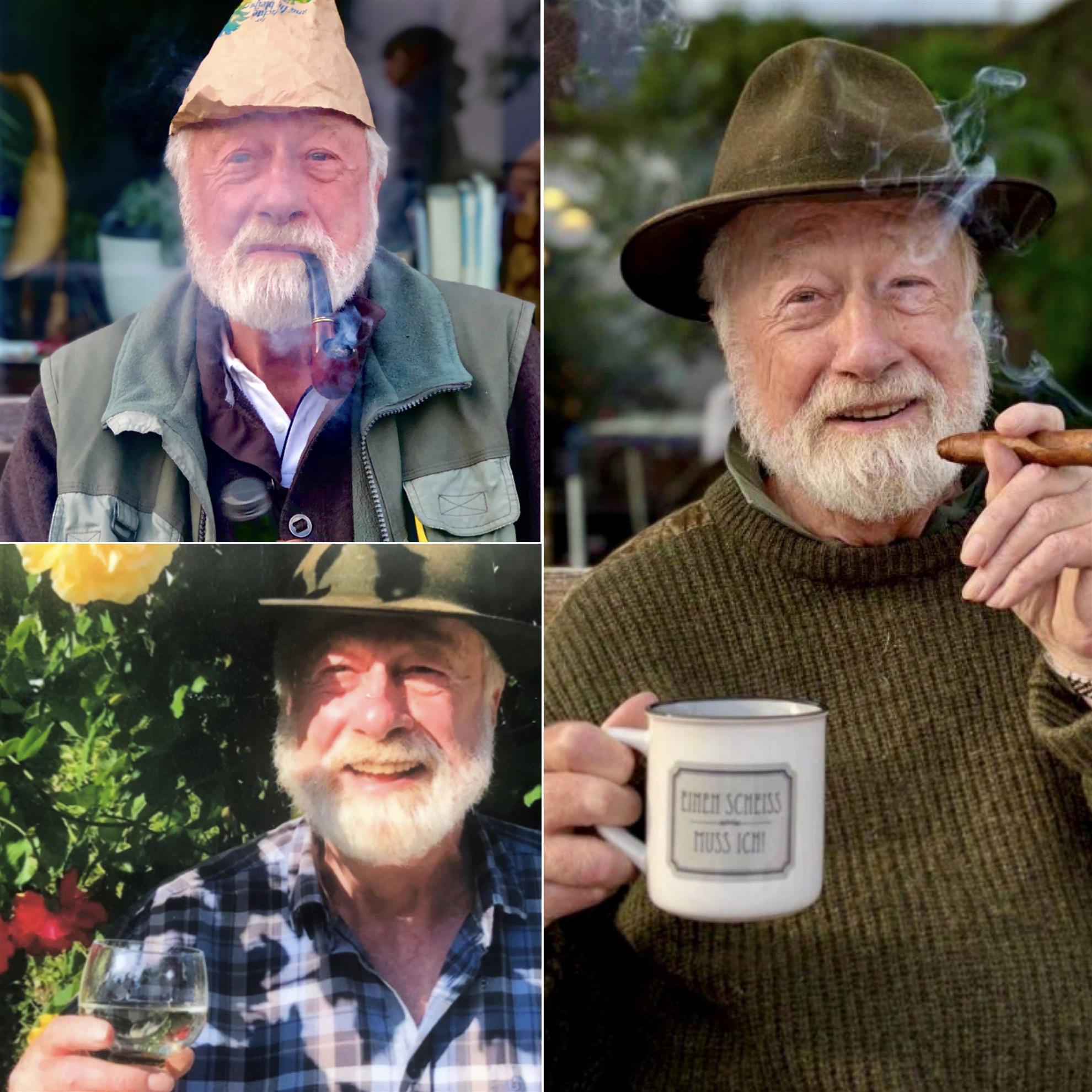
The hat above (with 2000 on it), I got it at the millennium Oktoberfest in
Munich. It has since accompanied me to many annual Oktoberfest celebrations
including the first one in Simei Anglican Care Centre in Singapore
When we arrived with all the Oktoberfest regalia, we found exactly what one would expect: a number of mentally ill residents showing odd behavior patterns. But once the music and singing began, the root beer started flowing, and the bratwurst was served, everything changed.
The games, wood sawing, throwing at tin cans, woodcutting, and nailing contests, were in full swing, super- vised by prison inmates who had come to help.
Suddenly, everyone seemed normal; it was hard to tell who was an inmate and who was a minder!
What I personally learned that day is this: boredom and institutional routine can make people sick, but fun is a great healer.
How did your family react when you first joined the Rotary Club? Have they supported your involvement over the years?
Rotary never interfered with my family life.
Did your family ever participate in any Rotary events or projects? How did that experience shape their view of the club?
By the time I joined RCQ, three of our five children had already left for Europe to pursue their studies. Of course, I discussed Rotary, its activities, and objectives
with them. My family
fully appreciated and supported my engagement.
What lessons from your Rotary
|
With my wife Gill
|
|
experience have you shared with your children or grandchildren?
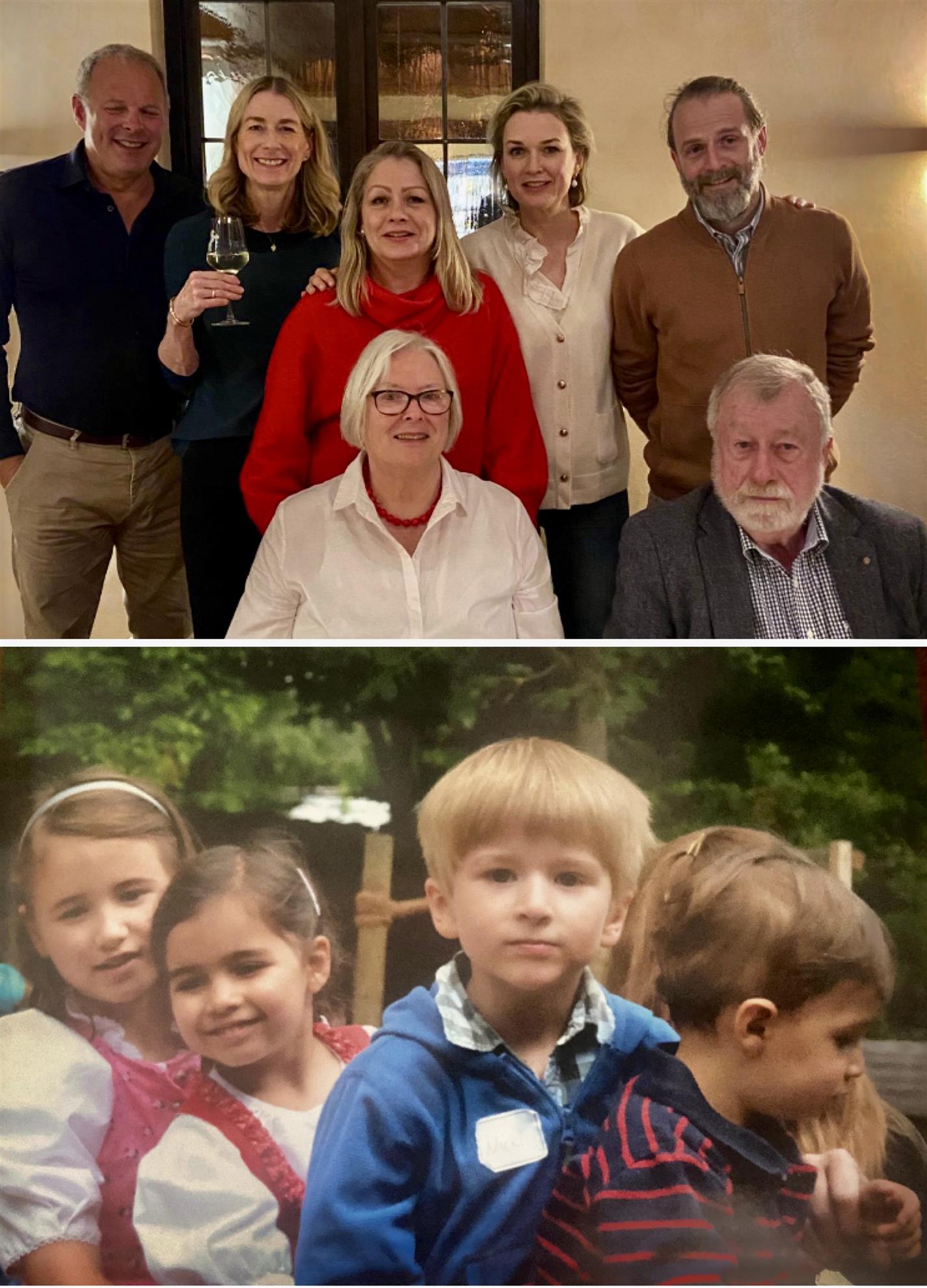
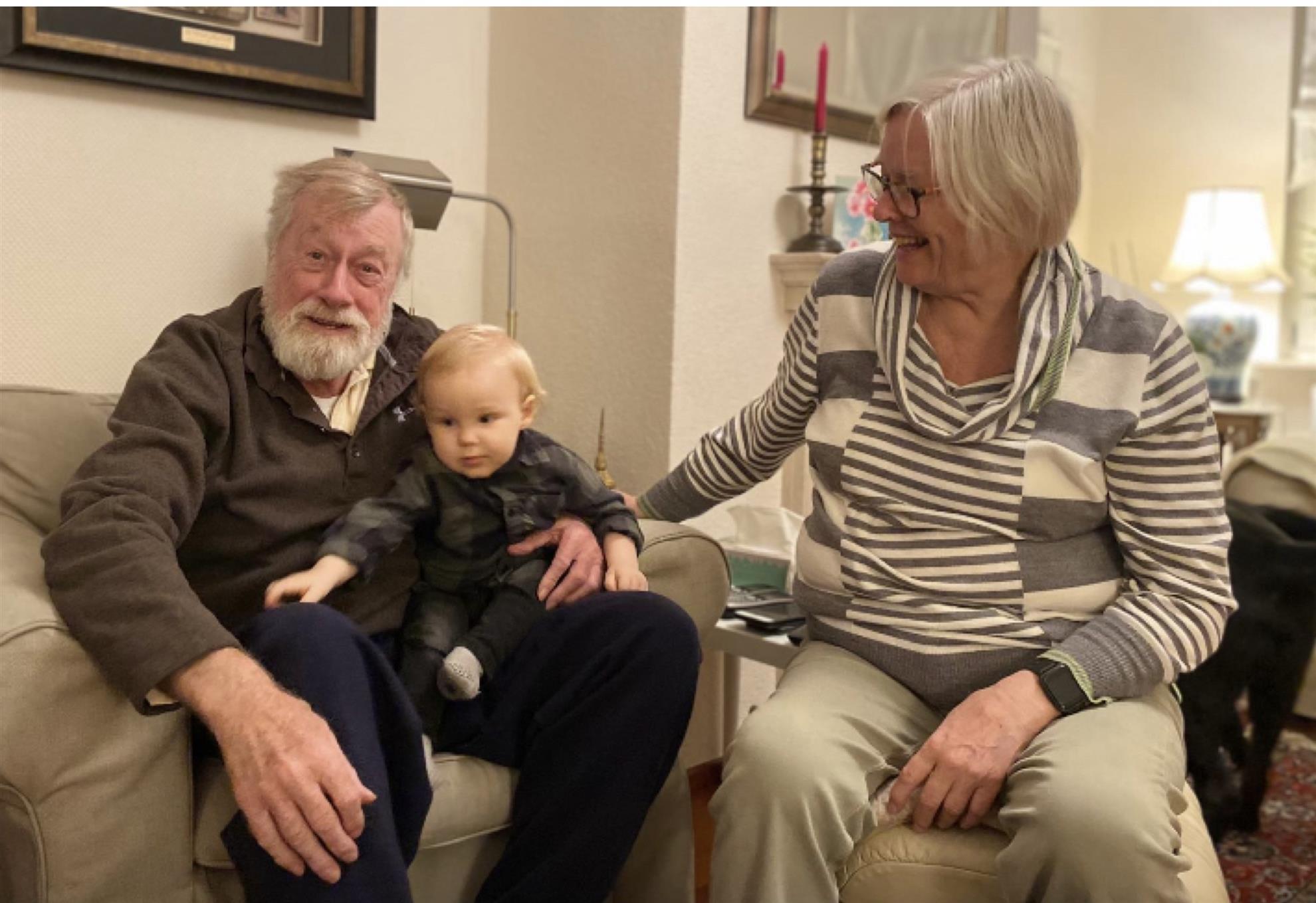
Our five children, eight grandchildren, and now our great-grandson have always been interested in learning about projects, especially those outside Singapore.
They were fascinated by the orphanage projects I was involved in across Sumatra, Java, and Thailand, as well as the Water, Health, and Polio projects in Lake Toba, Bogor, and Batam.
I also wrote short stories for the grandchildren about the "CanDo" tribe — people who succeed through their own determination, make
|
|
their lives better, take responsibility, exercise discipline in difficult situations, show
courage, and live by the principle of “Can Do.”
Naturally, their neighbors were the "NoCanDo" tribe — lazy and envious.
[Take note of the powerful use of Singlish — a great tool for being to the point and precise!]
|
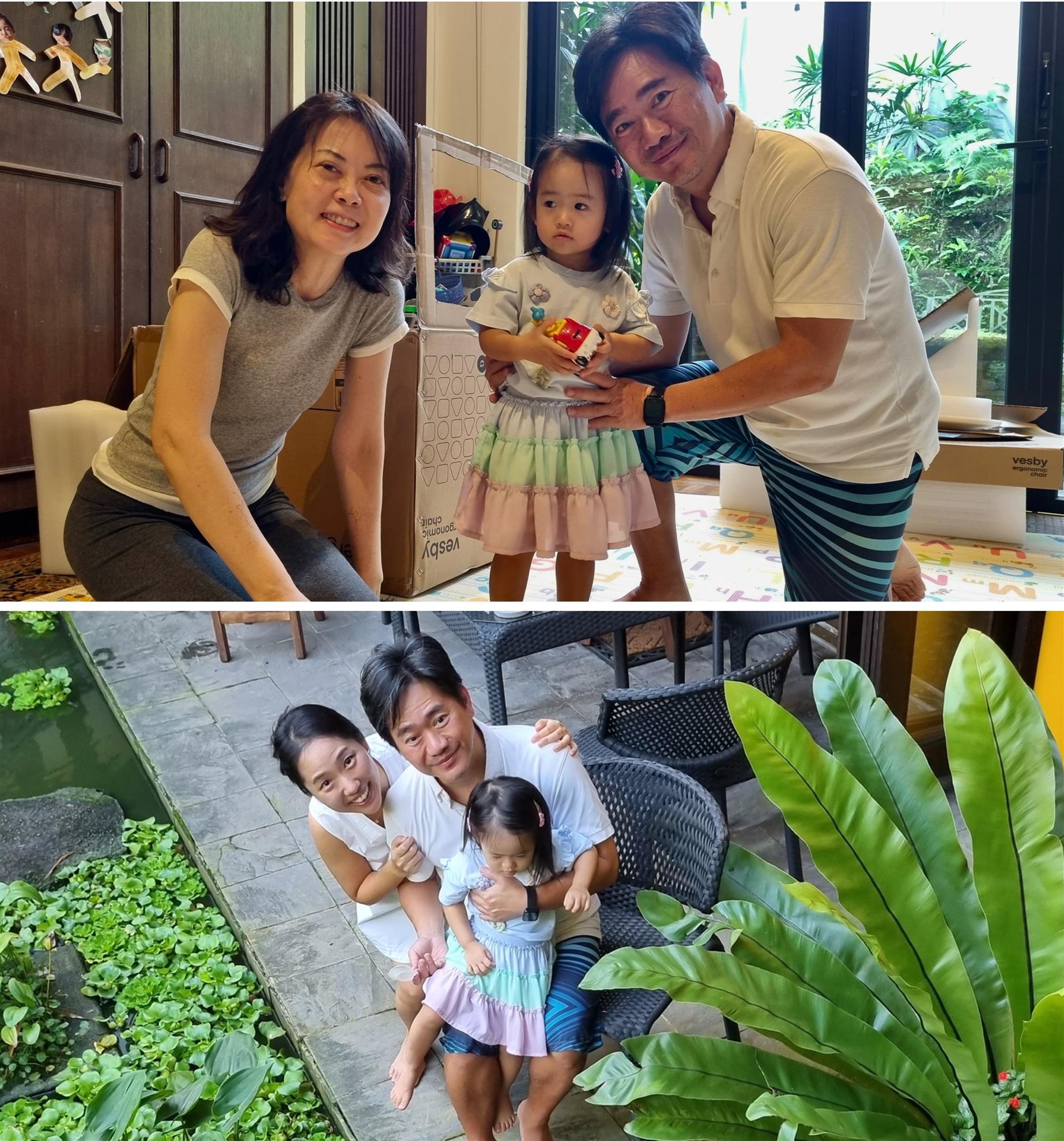
Above: With Gill and our five children in 2024
Middle: The four youngest of eight grandchildren
Below: with Greatgrandson Sean and Gill
|
How did your professional life influence your work within the Rotary Club, and vice versa?
My decision to come to Asia and Singapore was inspired by a speech by Lee Kuan Yew, in which he described bureaucracy as the root cause of inefficiency and corruption — both moral and financial. In business, and in all my other activities, I have always fought against over-regulation, bureaucracy, and the implied distrust that come with them. These are the great demotivators.
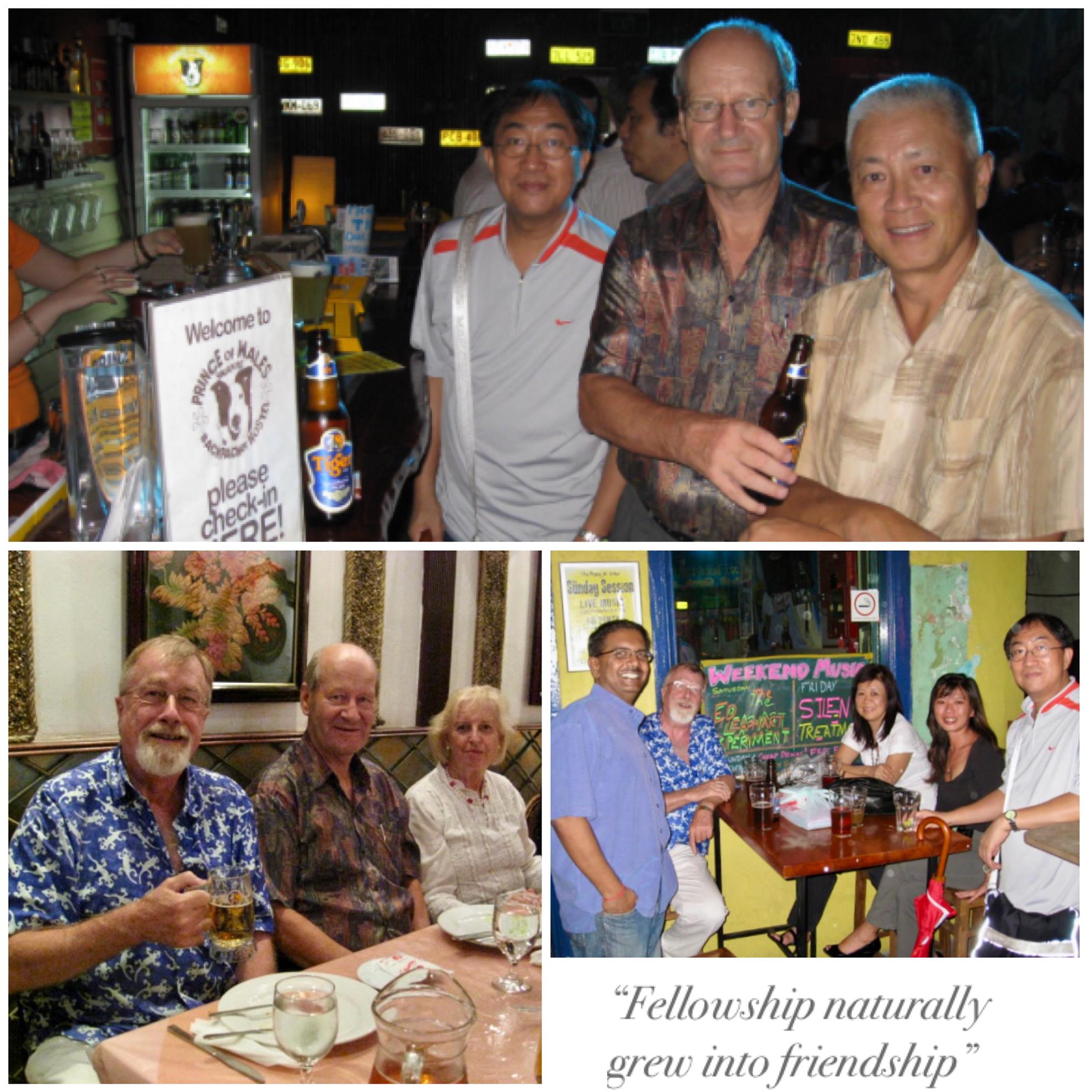
Rotary, as a large American-based institution, reminded me of my time with ITT Inc. (1972–1975). However, the clubs in Asia — and those I was fortunate to visit in Europe (Germany, UK, France, Portugal) and Argentina, had all developed their own formats. Fellowship naturally grew into friendship, and members enjoyed many activities together: happy hours, breakfasts, sports, hunting, car rallies, travel, and more. Rules and regulations were less important, and projects often involved entire families.
In my early years in Rotary, the clubs in Singapore seemed more staid: dress codes, formal procedures, and a strict adherence to the RI manual. The 50% attendance rule was enforced almost religiously; members could even be expelled for failing to meet the required threshold, and some were. At RCQ, we all strove for 100% attendance, though most clubs abroad had never heard of attendance cards for make-up meetings. Some were actually offended by the idea, saying, “We’re Rotarians, Rotarians never lie!”
Rotary felt more like a duty to “do good” rather than a joyful and fulfilling calling.
|
New horizons opened when
PP Jack, PP Ravi, and others decided that service must be a joy for all, not just an obligation. I embraced these ideas enthusiastically and tried to follow in their footsteps during my time as President.
Today, I see RCQ as a vibrant and enthusiastic club — creative, growing, and happy, with a bright future. Observing from far away, yet still feeling close, fills me with gratitude, optimism, and contentment that I had a part in this journey.
|
|
Were there any skills or experiences from your career that helped you contribute to the club’s growth or initiatives?
My alma mater, INSEAD, is dedicated to providing business education to an international student body. Beyond the usual business subjects, we attended lessons designed to foster tolerance and teamwork in multinational environments. One such topic was “Living in a Third Country.”
I was actively involved - alongside Professor de Bettigny and Professor Helmut Schütte who led the Asia seminars - in establishing an INSEAD branch in Asia. The competition was fierce, with Japan, Brunei, Thailand, Hong Kong, and others in the running. With the strong support of Professor Tommy Koh and, decisively, Lee Kuan Yew, we ultimately succeeded in bringing the branch to Singapore.
This experience proved to be a fruitful foundation—and, as we all came to appreciate, an excellent recruiting ground.
Did being a part of the Rotary network open up any unexpected opportunities in your profession?
Not that I recall.
What personal passions or hobbies have you pursued outside of Rotary?
Hunting, reading, travelling, languages, map collection, European and Chinese ceramics, and gardening. I also enjoy meeting people from all walks of life and experiencing new countries and cultures.
|
|
I have cherished working on my own small projects outside the club, often at the grassroots level, usually helping individuals in sudden need and without support.
The internal rules and processes of RCQ sometimes proved too cumbersome and even too bureaucratic to provide immediate help.
These experiences gave me a unique perspective, allowing me to know Singapore from its grassroots all the way to the elusive top of the tree.
|
Have you ever had the chance to combine your personal interests with Rotary projects? If so, how?
Projects perfectly aligned with my interests and hobbies.
What’s something you’ve always been passionate about, and how has Rotary allowed you to express or act on that passion?
I was brought up to put tolerance first - never to judge people from different cultures and backgrounds without a profound understanding.
To illustrate: my gardener in Bandung, Onko, was a veteran of the resistance against the Japanese occupation and later the war against the returning Dutch. Though illiterate, he lived by the philosophy of cukup, meaning “enough,” and possessed a deep knowledge of Sundanese and Javanese customs and folklore. In many ways, he was a true philosopher, a man of remarkable wisdom.
On several occasions, when I was puzzled by certain aspects of Indonesian behavior - whether in private situations, staff matters, or even business dealings - I sought his counsel. His advice was always sound.
I have always cherished the insight of the Dalai Lama:
“All human beings with a good heart have religion”
Was there ever a time when you considered stepping back from Rotary, and what made you stay?
There must have been rare moments, to be honest, but my motto was always: “No Surrender.” Carry on, and use the strategy of soft power.
I take quiet pride in having kept some friends from leaving the club over small squabbles. Some of them are still members today, making outstanding contributions.
On reflection, I see myself as a successful recruiter to the cause. Among others, I managed to interest several younger, dynamic members of my alma mater, INSEAD, to join. They, and their young families, helped make the club more vibrant and forward-looking. At least, that was my belief.
What were the most significant challenges the club faced during its inception, and how were they overcome?
As I joined the club 20 years after its inception, it would be best to consult our Charter Member, Chris.
How has the Rotary Club evolved in its mission, membership, and activities over the past 50 years?
I observed a steady growth in membership, enabling RCQ to help initiate a number of daughter clubs. The club embraced new and more challenging missions, venturing beyond Singapore’s traditional comfort zone. Forming alliances with an increasing number of sister clubs in Southeast Asia broadened the scope of regional projects considerably.
The focus of Rotary has shifted over the years - from recruiting established leaders of business and commerce to engaging the up-and-coming generation of future leaders and contributors to society. Recognizing this, greater attention was given to Rotaract to ease the path toward earlier and future membership. Many clubs struggle with aging membership, so welcoming young blood is essential to ensure continuity and fresh ideas.
Acceptance of lady members, still not universally practiced, was another significant step forward. This added to the potential for meaningful service, bringing a wider range of ideas and infusing compassion and vibrancy into club activities.
I would like to share a very personal thought on an aspect of Rotary that has always made me somewhat uncomfortable: the culture of recognition, particularly when measured in dollars. In my view, it does not sufficiently acknowledge the immense value of time and expertise contributed by many members. To me, the true reward for service lies in the act itself: a gesture from the heart that needs no applause.
When I was a young student in Karlsruhe, more than sixty years ago, my revered but now forgotten Professor Fricke wrote a book called Productivity. In essence, he said that material productivity always has to be balanced by immaterial productivity. Material success should always be matched with engagement in art, culture, education, religion, and service to the community. That’s where I always saw Rotary! Achieve calmness and peace of mind by matching the material with the immaterial. Yin and Yang. You may be remembered for your good deeds and friendships rather than for your material achievements. I fully understand that business, career, and family obligations must take priority, and that a financial contribution can offer peace of mind and is, of course, most welcome. Such generosity deserves to be honoured. Yet, younger members, who are at the beginning of their careers and building young families, may not be in a position to afford a PHF or make substantial donations. Still, they dedicate their time and energy with great enthusiasm. For newcomers especially, this disparity can feel uncomfortable.
I do recognize that the recognition system is an effective marketing tool - undeniably successful in fostering competition and driving fundraising efforts. But personally, I lean toward the spirit of a German saying: “Tue Gutes im Verborgenen” (do good in silence).
Are there any notable milestones or events in the club’s history that you feel particularly proud of?
Organising the first Oktoberfest under the Rotary Banner at the Tanglin Club (the date slips my mind). Greatly assisted by Jack and members of my Karlsruhe University Student Fraternity Cimbra Fidelitas, who happened to be in town. The roaring Fest went on till three in the morning. After this memorable event, the TC decided, to make this an annual event.
When the Bali Bombing in 2005 terrified the World, I happened to be in Kuta with my Family, staying only a 1000 meters away from the main blast at the Sari Club. My oldest daughter and her then boyfriend, now husband were on the way to the popular Sari Club, only about 300 meters away, witnessed the terrible event, and raced back to our place to give a report.
The next morning, my friend David Kueper from RC Ubud called. He had secured a $15,000 emergency fund from the Swiss Ambassador in Jakarta, which was couriered to the airport, and asked if I could accompany him. With a suitcase full of rupiah, we went from hospital to hospital, where hundreds of locals lay with severe burns and other injuries—largely untreated because they could not make upfront payments.
The following day, we arranged to rent refrigerated containers from the harbourfront to preserve the remains of unidentified victims. In total, 202 people—mostly young Australians and Britons—lost their lives. Many Balinese, who returned to their villages without treatment, were never counted. You cannot imagine the horrors we faced.
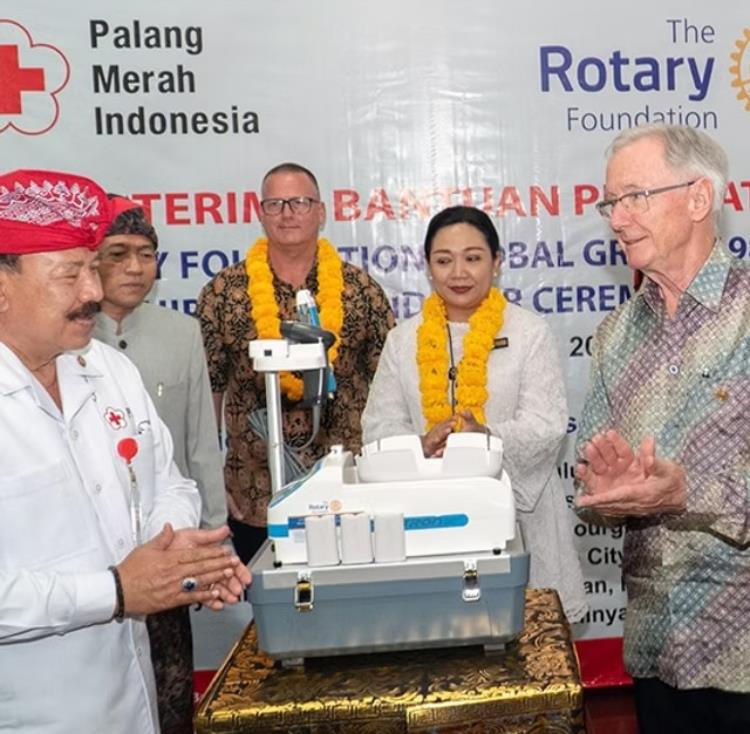
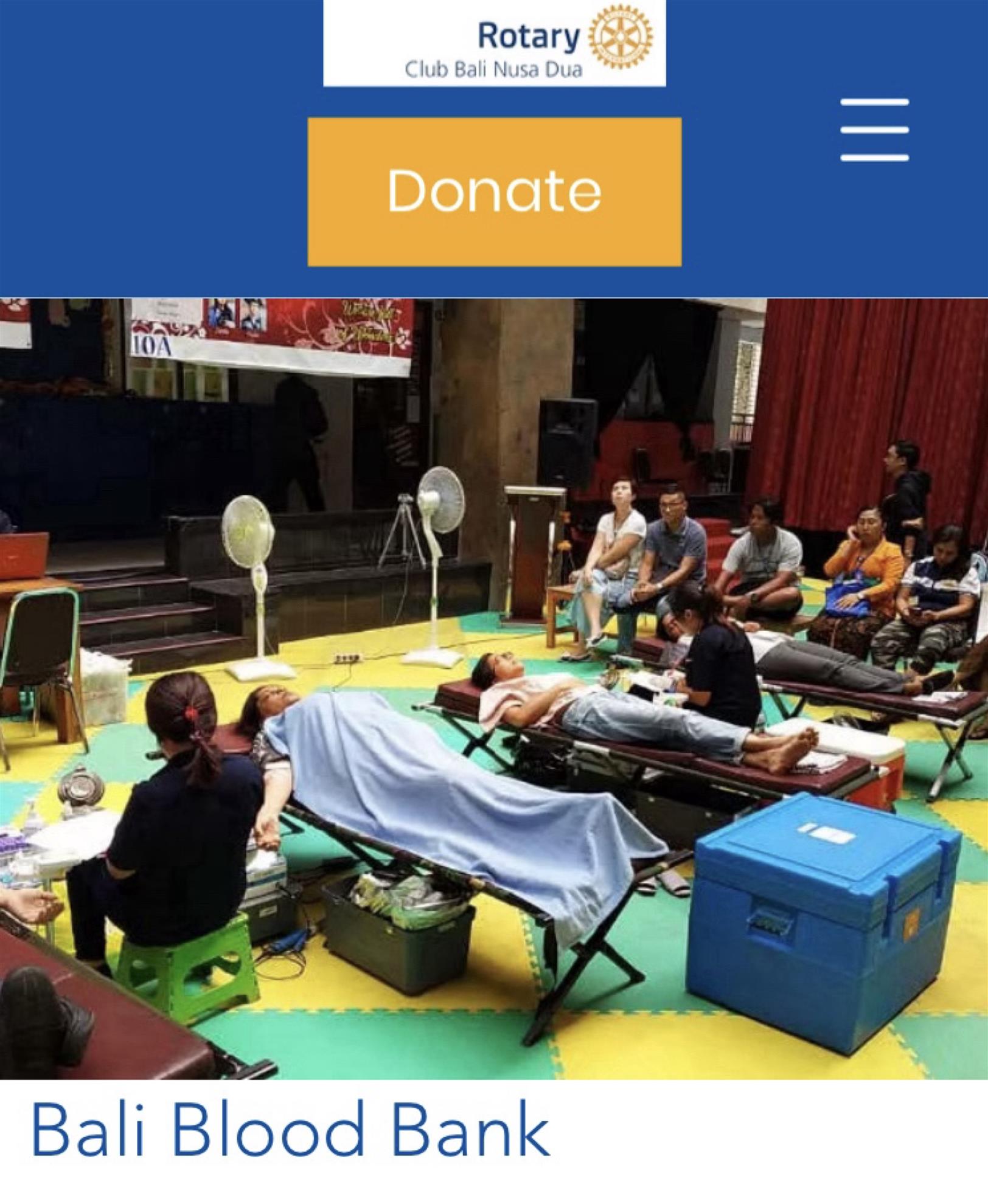
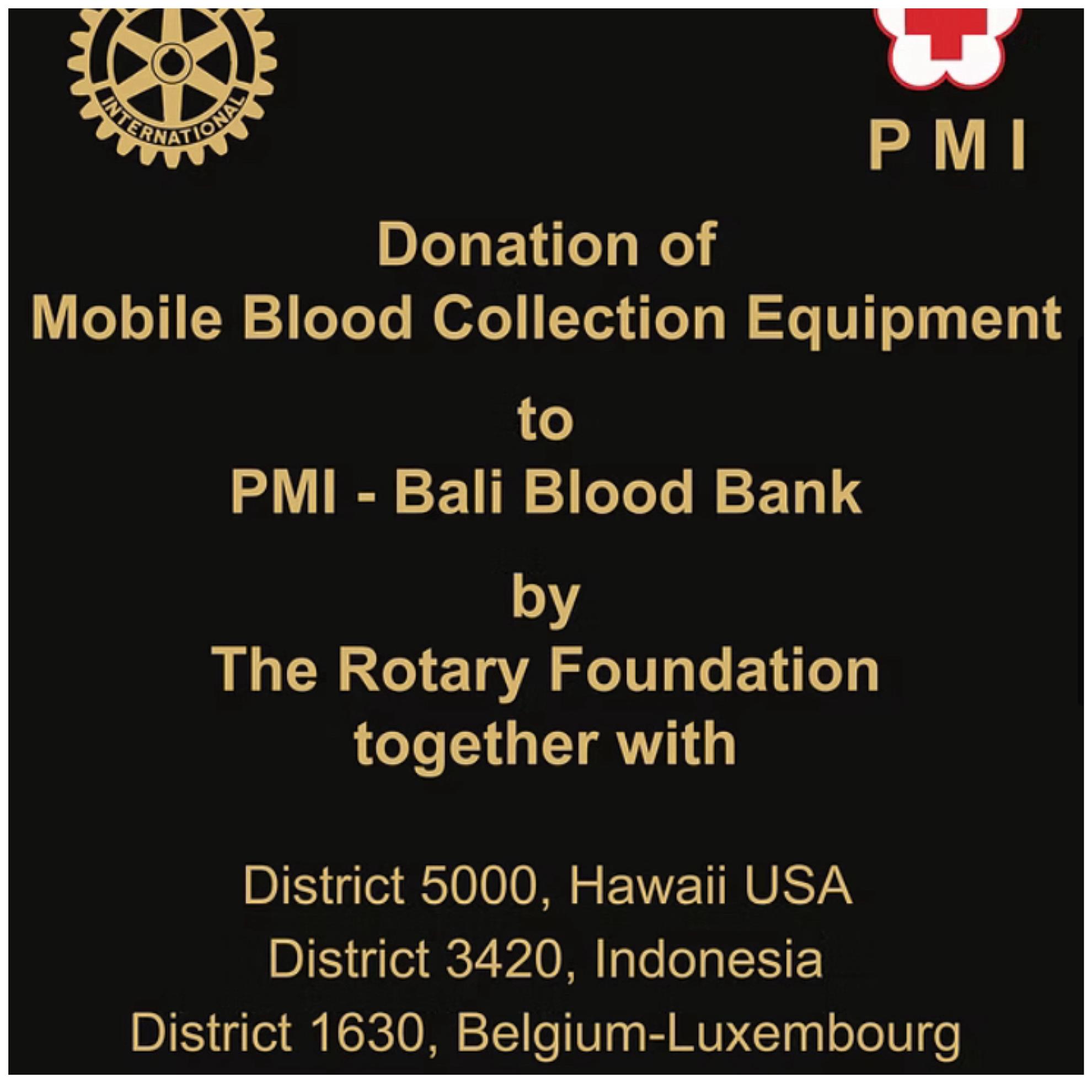
Possibly hundreds of lives were saved thanks to a project David had initiated years earlier. After his time in Jakarta, he retired to Bali and, as I mentioned before, was instrumental in establishing RC Ubud. A chemical engineer by training, David had worked for many years in the Swiss and American pharmaceutical industry, specializing in blood products. In 1999, he launched a major initiative with the Balinese clubs, under the leadership of RC Nusa Dua, to establish a world-class blood bank ( Bali Blood Bank). He eventually succeeded in raising $500,000, and the blood bank became fully operational just six months before the Bali attack.
|
Click here to read more about Bali Blood Bank
|
My daughter got engaged to her now husband, 2 days after their terrifying experience, realising how short our time on Earth can be.
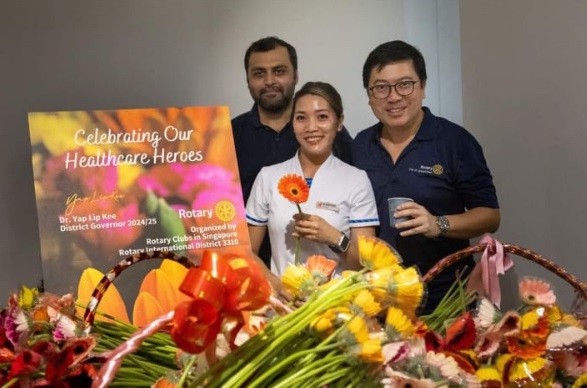
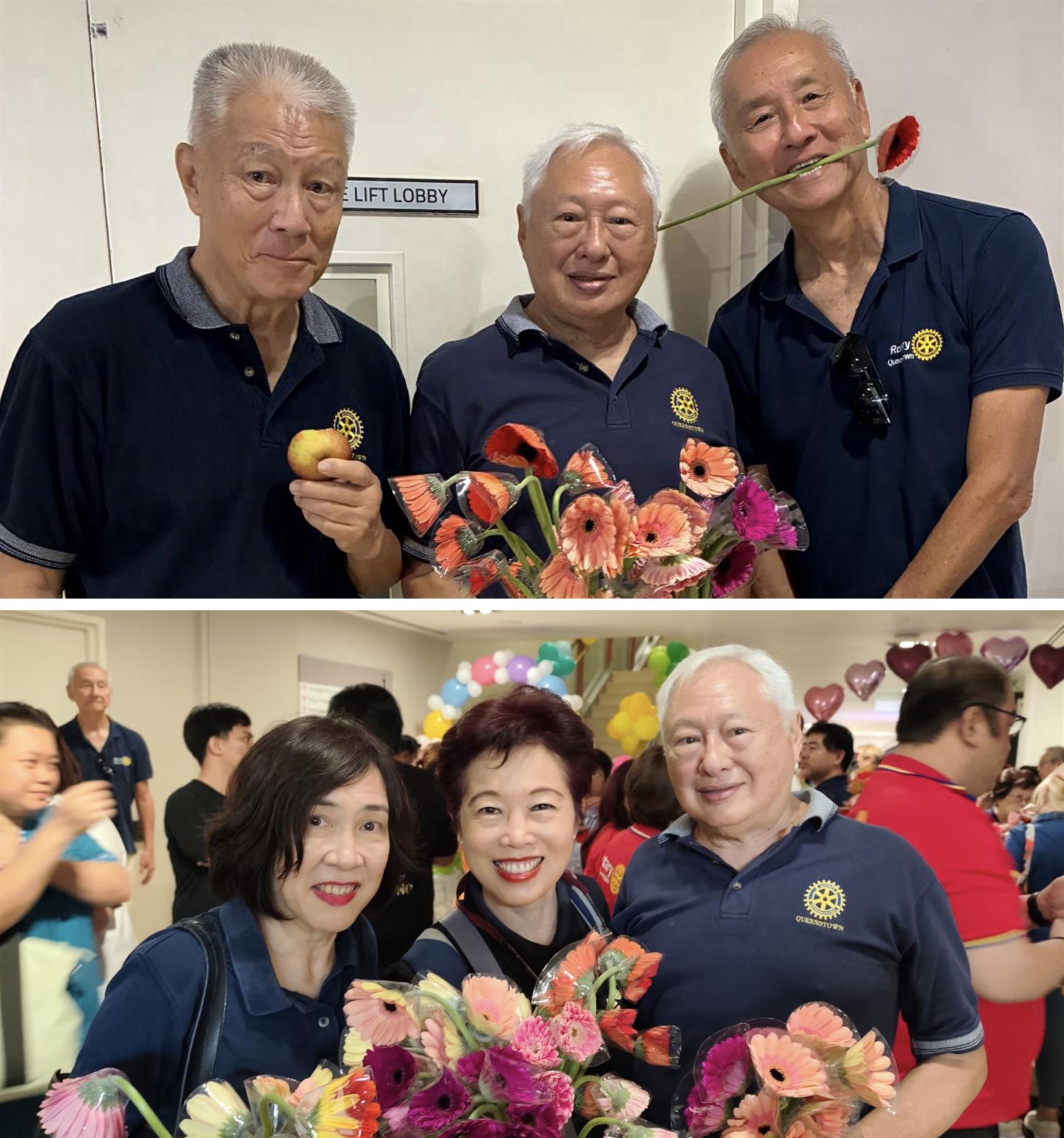
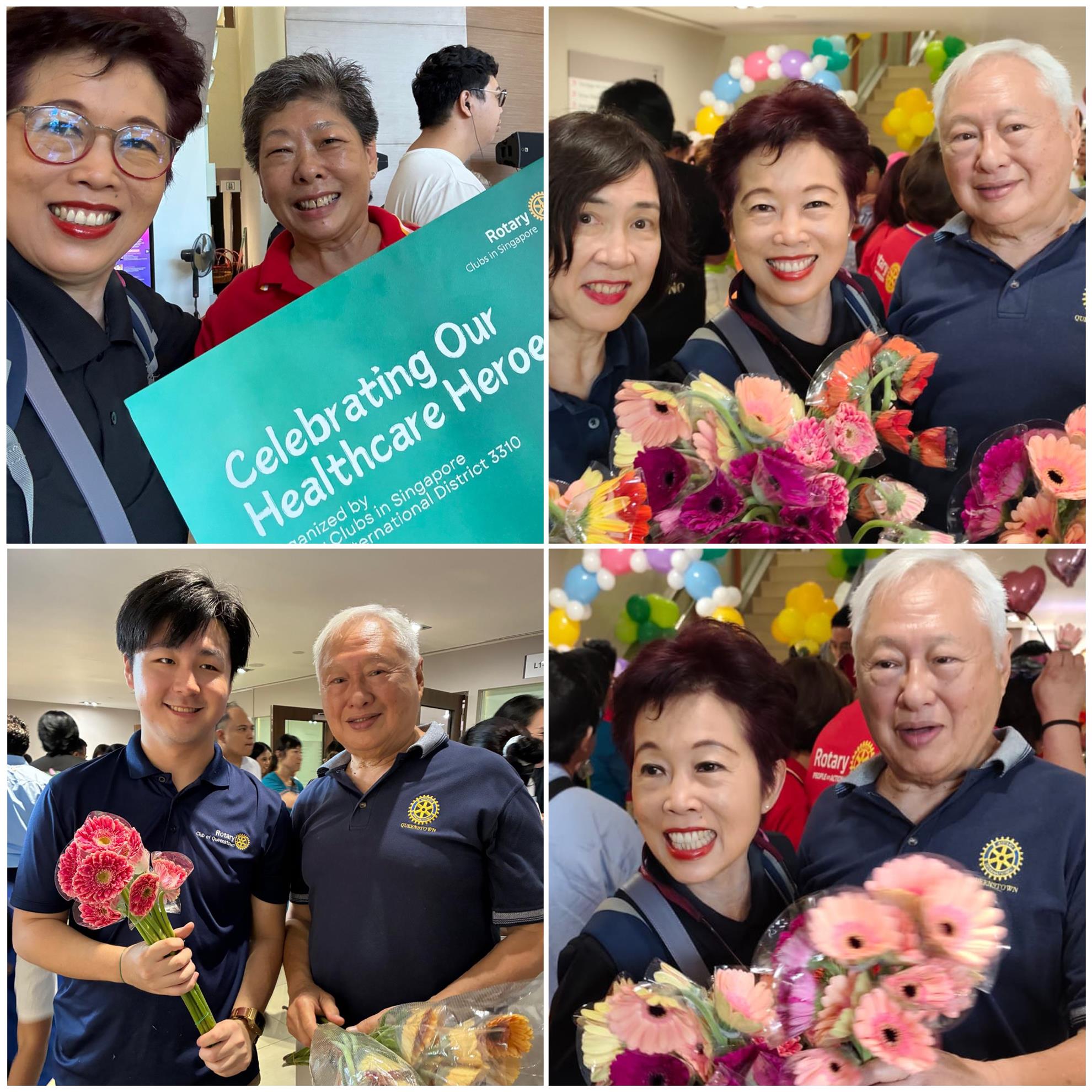
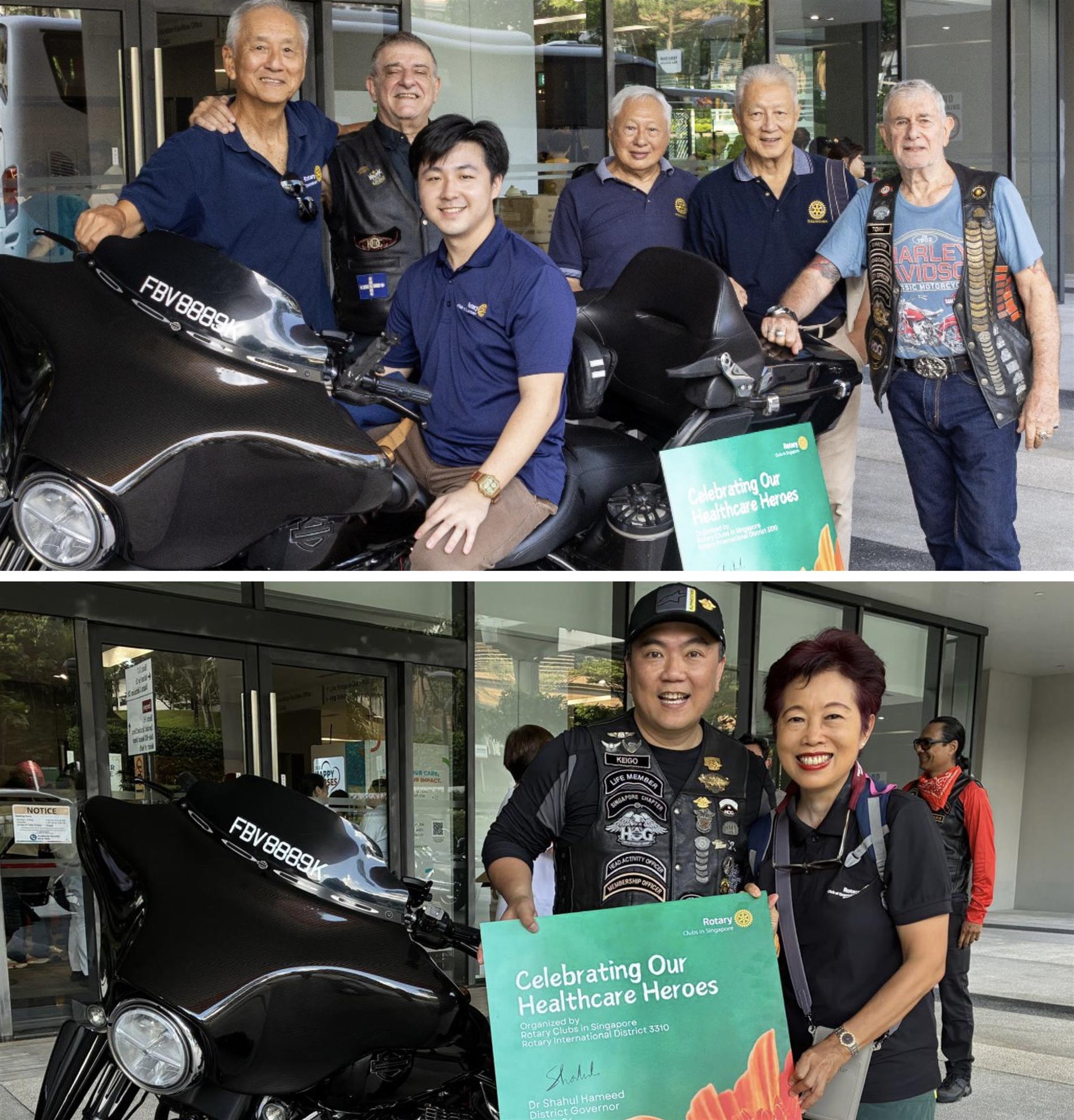
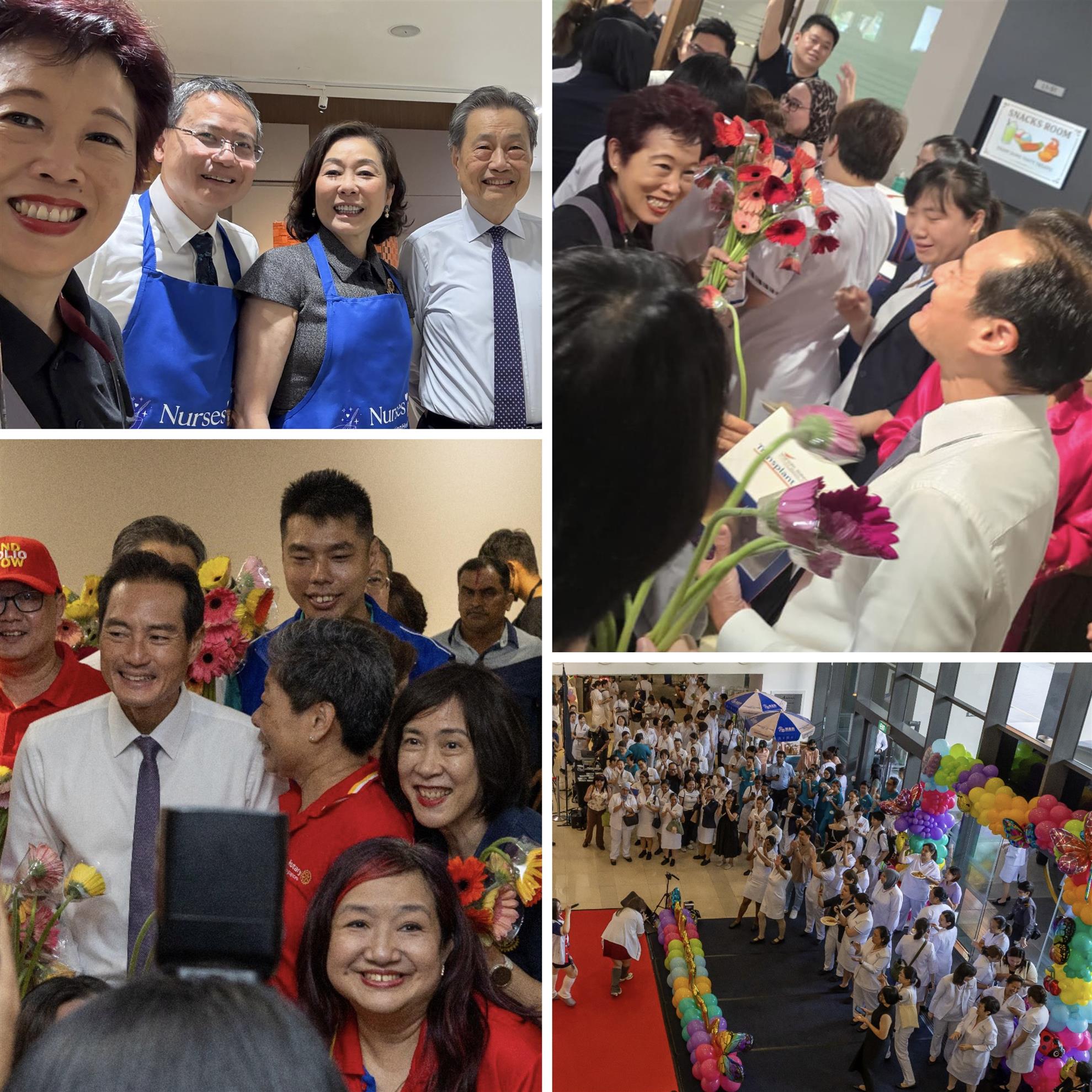
Many other events and projects come to my mind. But I have to list Nurses Day. A pet project managed and promoted by Agnes. A great ongoing community project, providing many happy moments for the medical staff and of course the participating Rotarians. I wish I could be there!
Can you highlight a project or initiative that you feel had the most impact on a community?
The Nias Orphanage Project in Bogor, established for 40 children in the aftermath of the Christmas Tsunami in Aceh, was carried out in partnership with clubs in Sumatra and Java, the Lutheran Church of Indonesia, and supported by a donation from the Singapore Clubs’ Tsunami Fund.
How has the club’s approach to serving the community changed over time?
Initially, the tendency was to ensure that funds raised in Singapore were spent locally. Today, the Club embraces a more international outlook—both in thought and in action.
What do you think sets the Rotary Club of Queenstown apart from other service organizations?
The club benefits from a strong professional brain trust, with knowledge and skills readily available at no cost to plan and implement projects. It also enjoys the strength of an international network that treats all Rotarians as equals and friends. RCQ is vibrant, active, and forward-looking, with a spirit that makes it fun to be part of. It involves not only members but also the entire network of family and friends of Rotary, creating great potential for raising funds and expanding impact.
What values of Rotary do you think have stood the test of time?
- The Four-Way Test
- Service Above Self
- Service and Fellowship, ideally transforming into friendship
How do you see the legacy of the club being carried forward by the younger generation of members?
From what I see and hear, the club is on the right path!
Looking back at your journey with RCQ, what advice would you give to your younger self to enhance that experience?
Get on board earlier in life.
What advice would you give to new members looking to make a lasting impact in the Rotary Club?
Go and have fun; make friends, join an international network, and take pride in what you do. Be creative, and find true satisfaction in offering meaningful service to those less fortunate.
Don’t view this as an obligation, but as something that enriches your life with substance, purpose, and fulfillment.
If you could give advice to someone considering joining the Rotary movement, what would it be?
Visit and discover. Understand that joining a Rotary Club connects you to the world.
Rotary lives by the words of the Dalai Lama:
“All human beings with a good heart have religion”
Are there any humorous or unexpected moments from your time in the club that you’d like to share?
When I joined RCQ in 1992, the fun part of meetings was often provided by an Austrian member (unfortunately, I cannot recall his name), a very jolly and happy man who told the weekly joke, sometimes a bit risqué! This tradition was discontinued soon after he returned home.
More laughter came from the various Sergeants-at-Arms, who outdid one another with hilarious fines to benefit the Sunshine Box. At that time, formal attire was standard, so fines were often connected to dress code. Fred Binggeli always wore the most outrageous ties to mock the rules, and made handsome contributions to the Sunshine Box. There was always speculation: What tie is he wearing today?
|
From 1999 and 2013, I undertook four Antarctic trips, starting out from Ushuaia, Terra del Fuego, Argentina. Ushuaia takes pride in being the most southerly town in the World. On Russian crewed expedition ships, lasting up to three months. Absolute highlight was always the visit to the RC El Fin del Mundo at the Beagle Hotel in Ushuaia. The meetings were scheduled
|
|
for 23.00 (!). I was often the first to arrive and eventually joined by a Russian member, obviously another disciplinarian. We finally had a full assembly at 1 a.m. and the jolly, friendly meeting finished by 3 a.m. The inspired crowd of obviously good friends, then often decided, to retire to another Hotel, belonging to a member, for bedtime drinks. How Rotary Life can differ from the norm, and still be efficient and fun! That was one of the best experiences in Rotary abroad.
Who has been the most influential person you’ve met through your Rotary journey, and why?
Jack Chuang - he always impressed me as a critical thinker, courageous with his opinions and unafraid to think outside the box. A loyal and trusted friend, always there when needed.
Mavis - for her pleasant presence and exceptional administrative skills. Always prepared and willing to go the extra mile.
Ravi - for his great humour and drive. I’m sorry he left the club, but I hear he remains close to some of the stalwarts.
Linda - for her joyful and happy presence, her knowledge of gastronomic delights, and her fascinating stories about Singapore.
Anne - for her kindness and consideration, and for always liking my posts. A kind and gentle spirit of the club.
How do you envision the club to continue to grow and serve in the next 50 years?
I spent 30 years of my life as a member of RCQ — that represents 60% of the club’s history.
In 2022, I transferred to the Rotary Club of Schweinfurt, the club I always visited when on home leave.
Once a Rotarian, always a Rotarian!
My departure from Singapore in February 2020 was unplanned, but necessary, since COVID threatened to cut me off from my wife and family, possibly for years.
I regret that this made it impossible to organise a proper send-off. I learned that in Indonesia, when departing, one apologises to those staying behind for any inadvertent hurts or wrongs, in order to restore harmony and balance. I do so wholeheartedly.
What would you like to see as the Rotary Club of Queenstown’s future focus or legacy projects?
Vivat, Crescat, Floreat Rotary Club of Queenstown, Singapore!
(May the Rotary Club of Singapore live, grow, and flourish)
Quoted from my inaugural speech as President in 2007■